If you are searching for a side by side dealer, you are shopping a real work-and-play machine, not a toy. A side-by-side carries passengers, hauls a bed load, and often wears a winch, a windshield, or a cab. That makes it a bigger buy than an ATV, with more to inspect and more that can go wrong if you rush.
This guide is the diligence framework Canadian buyers actually need. It covers what a side by side dealer should do for you, how to shortlist lots without wasting a Saturday, how to inspect a UTV before money moves, how financing works without guesswork, and how Ride Motor Company fits that path with live inventory and two Alberta locations.
Where to start:
- Browse live units on UTV inventory
- Start financing options if payment is the gate
- Confirm Edmonton or Leduc before you drive
What a side by side dealer should actually deliver
A side by side dealer is not just a lot with a few UTVs parked out front. The useful difference from a private sale is the process around the machine: units you can compare, a straight answer on paperwork, inspection access, and a service desk that still exists after the sale.
A side-by-side also asks harder fit questions than an ATV. Before a good dealer points you at a machine, they should ask how you will use it. A two-seat trail unit, a four-seat family unit, and a work unit with a dump bed and a plow are three different buys. A dealer who leads with your use, not their inventory, is worth more of your time.
Fit questions an ATV lot never asks
Bring these to the conversation, because they decide whether a unit actually works for you:
- How many seats do you need, two or four
- What will the cargo bed carry, and how often
- Do you need to tow, plow, or run a winch
- Will the machine fit your trailer width and your trail width, and does the curb weight, the dry weight of the machine with no passengers, cargo, or fluids, sit under what your trailer is rated to carry
- Do you want a cab, a windshield, or a heater for Alberta winters
- steering feel over a long day, since EPS, short for electronic power steering, changes how a full trail day wears on you, so ask which units have it
A dealer who can talk through those without pushing you at the most expensive unit on the lot is running an honest process.
How to shortlist dealers without wasting a Saturday
Every drive to a lot costs you half a day. Shortlist before you leave home so you are only visiting places that have the right unit and a process worth your time.
Start from what is actually listed today, not a brochure grid. Call or message with three questions: is the exact unit I want on the lot right now, can I do a cold start and a full walk-around, and can we start financing paperwork the same day. The answers sort a real dealer from a listing farm fast.
Before you book the drive, lock a short buyer script:
- What UTVs are actually on the lot today
- Are cold starts and a full walk-around allowed
- What fees sit on top of the advertised price
- Can financing paperwork start the same day
Straight answers to those four tell you how the dealer runs before you spend a Saturday driving out.
Signals a lot is worth the drive
- Listings show hours, seating, and real photos, not just a stock image
- Staff answer the price-and-fees question straight, before any deposit
- Inspection access is a yes, not a maybe
- Staff can walk you through the PDI, the pre-delivery inspection they run before you take the unit, and treat it as standard, not an upsell
- There is a service desk that can book belt and warranty work after the sale
Side by side walk-around checklist

A used side-by-side hides its wear better than a car does. The plastics look fine, it idles, and the real story sits in the belt, the cage, the bed, and the hours. Do a slow walk-around before you talk price, and never skip a cold start.
Use the diligence scorecard in this guide to keep the visit honest, then work through the machine itself:
Cage, seats, harnesses, and doors
- roll cage tubes for cracks, bends, or rewelds that point to a rollover
- seat mounts, harnesses or seatbelts, and any nets or doors for wear and function
- bed hinges, latches, and dump function if the unit has a tilting bed
- floor and footwells for mud packing, rust, or cracked plastic
Belt, drivetrain, and terrain modes
- belt condition and any burnt-rubber smell, the single most expensive used-SxS tell, because most side-by-sides run a CVT, a continuously variable transmission that drives through a belt instead of gears
- engage and disengage two-wheel, four-wheel, and any diff lock or turf mode
- drivetrain feel: any clunk, grind, or slop when you roll it
- suspension travel, shock leaks, and A-arm or ball-joint play
Electrical, fluids, and cold-start tells
- confirm lights, gauges, winch, and any warning indicators work
- check for wet residue, a burnt smell, or milky oil around the engine and diffs
- listen for a rough idle or a hard start that a listing photo will never show
New vs used SxS decisions for Canadian buyers
The new-versus-used call comes down to how hard you will run the machine and what payment fits. A new side-by-side gives you no history to chase, may include coverage terms to confirm on the specific unit, and may let you configure a winch, plow, or cab depending on availability. A used unit costs less up front but needs a harder look at belt wear, cage condition, and hours. When you are ready for the desk and fee path, the side by side sales guide covers how a clean UTV deal should run.
Neither is automatically right. If you are running a machine hard on a farm or acreage year-round, any coverage on the unit can pay for itself, so confirm exactly what carries on the specific machine. If you are a careful buyer on a budget who will inspect well, a clean used unit stretches the dollar. Use the new-versus-used table above to weigh it, then match your choice to what the dealer actually has listed rather than forcing a unit that does not fit.
Financing a side by side without guesswork

Payment structure decides most real buys, so handle it early instead of letting it ambush you on the lot. Financing a side by side is common, but it depends on the lender, the unit age and hours, and your file. No one should promise approval before they see any of that. Start from the financing page when monthly payment is the gate.
What lenders usually ask for
Lenders typically want ID, income details, and information about the specific unit. Bringing that to the conversation up front means the payment talk is a quick confirmation, not a cold start while a good machine sits in front of you.
As a rough illustration only, financing spreads the price into a monthly payment over a set term at a rate the lender sets. Actual figures depend entirely on approval, term, and unit. This is not a rate quote, and no number here is a promise.
Bad-credit and approval-anxiety path
Rough credit is common and workable, and a side-by-side is a large enough buy that payment structure often matters more than on a smaller unit. The honest version is this: bring the full scenario, be ready for specialist-lender options, and expect the dealer to work the file rather than promise a result up front. Any page that claims certain approval before the lender reviews your file is selling you a feeling, not a fact. See the financing options page for what the process actually looks like.
How to shop side by sides with Ride Motor Company
Ride Motor Company is a powersports dealership group serving Edmonton and Leduc, Alberta, with customers across Canada. For shoppers comparing a side by side dealer, the useful fit is the combined path: live UTV inventory you can verify, a financing conversation, two locations, and service support after the sale.
Browse live inventory first
Do not treat this article as a stock list. Inventory moves, and any printed count goes stale the day it is written. Go to UTV inventory, filter by category, and build a short list from what is actually listed today. Note the stock numbers so staff can pull the exact unit instead of guessing from a description.
Edmonton and Leduc visit reality
Pick a location on purpose. The unit you want may sit at one location while the paperwork or the person you need is at the other, so confirm which location holds it before you leave home. Then show up with two or three stock numbers and real questions, not a blank afternoon. For a local inventory path, use the side by side for sale in Edmonton guide.
Trade-ins and next-step questions to ask on site
If you are trading a unit, that changes the out-the-door math, so raise it early. On site, ask the questions that separate an operator from a brochure website:
- Is this exact stock number on the lot today?
- Which location holds it?
- How many seats and what bed setup does it have?
- What do I need for financing intake if I want payment options?
- How do service and belt bookings work after purchase?
Write the answers down. Weak dealer processes show up quickly when those five questions get specific.
Side by side buying mistakes that waste a Saturday
The common traps are predictable, and every one of them is avoidable with a little prep:
- driving to a lot before confirming the unit is actually there today
- skipping the cold start and buying on a warm, already-running engine
- ignoring belt wear and hours because the plastics look clean
- buying a two-seat unit when the family needs four, or the reverse
- falling for a unit before sorting whether the payment even works
Arrive with a shortlist, a checklist, and the financing conversation already started. That is the difference between a wasted drive and bringing home the right seating, bed setup, and wheelbase.
Next step: shortlist units and talk to the desk
If your criteria are clear, skip another round of tab-hopping. Browse UTV and side-by-side inventory, start a financing conversation if payment is the gate, and confirm Edmonton or Leduc before you drive.
| Check | Why it matters | Pass signal |
|---|---|---|
| Clear asking price and fees path | Avoids lot surprise math on a bigger-ticket unit | Staff can explain fees before any deposit |
| Seating and bed fit for your use | A two-seat trail unit and a four-seat work unit are different buys | Dealer asks how you will use it before pointing at a machine |
| Cage, harness, and door condition | Safety structure is expensive to fix and easy to overlook | You are allowed to inspect the cage, belts, and doors closely |
| Belt and drivetrain conversation | Belt wear and clutch condition decide real cost on a used SxS | Specific answers on hours, use type, and belt service |
| Inspection access | Hides the expensive used side-by-side failures | Cold start plus a walk-around and a short test allowed |
| After-sale service path | UTVs still need belts, fluids, and warranty work | A service desk exists and can book work |
| Factor | New side by side | Used side by side |
|---|---|---|
| Up-front price | Higher | Lower entry cost |
| Coverage terms | May include coverage, confirm terms on the unit | Limited or none, confirm what carries over |
| History unknowns | None | Belt, cage, and hour history to verify |
| Accessory fit | May be easier to configure a winch, plow, or cab, depending on unit | Check what is already fitted and whether it works |
| Best for | Hard use, long ownership, coverage peace of mind | Budget buyers who inspect carefully |
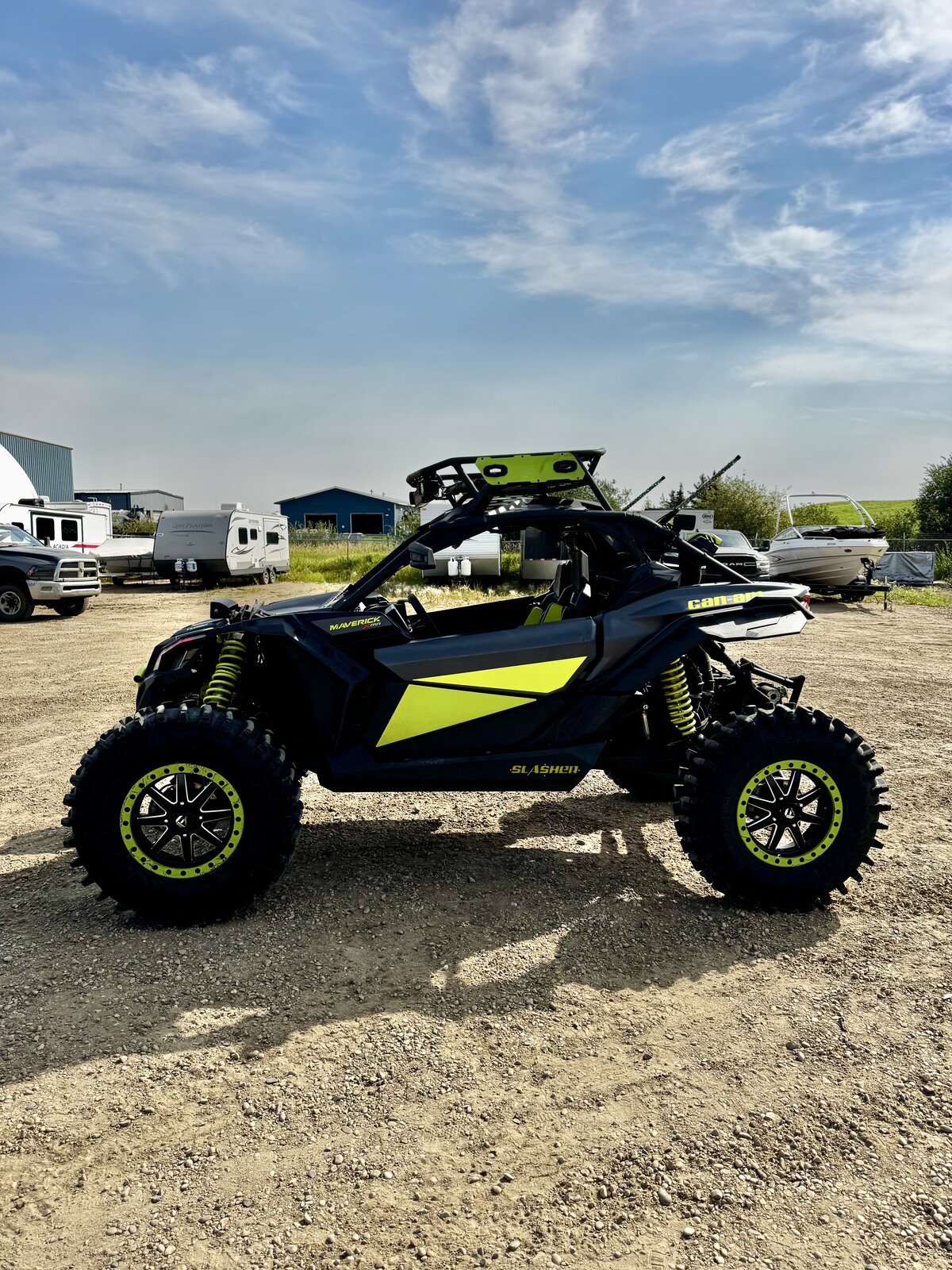
Live inventory
Side-by-sides and UTVs on the lot
Live RMC inventory pulled from the dealership feed. Availability changes, so confirm the current list here rather than trusting any article count.
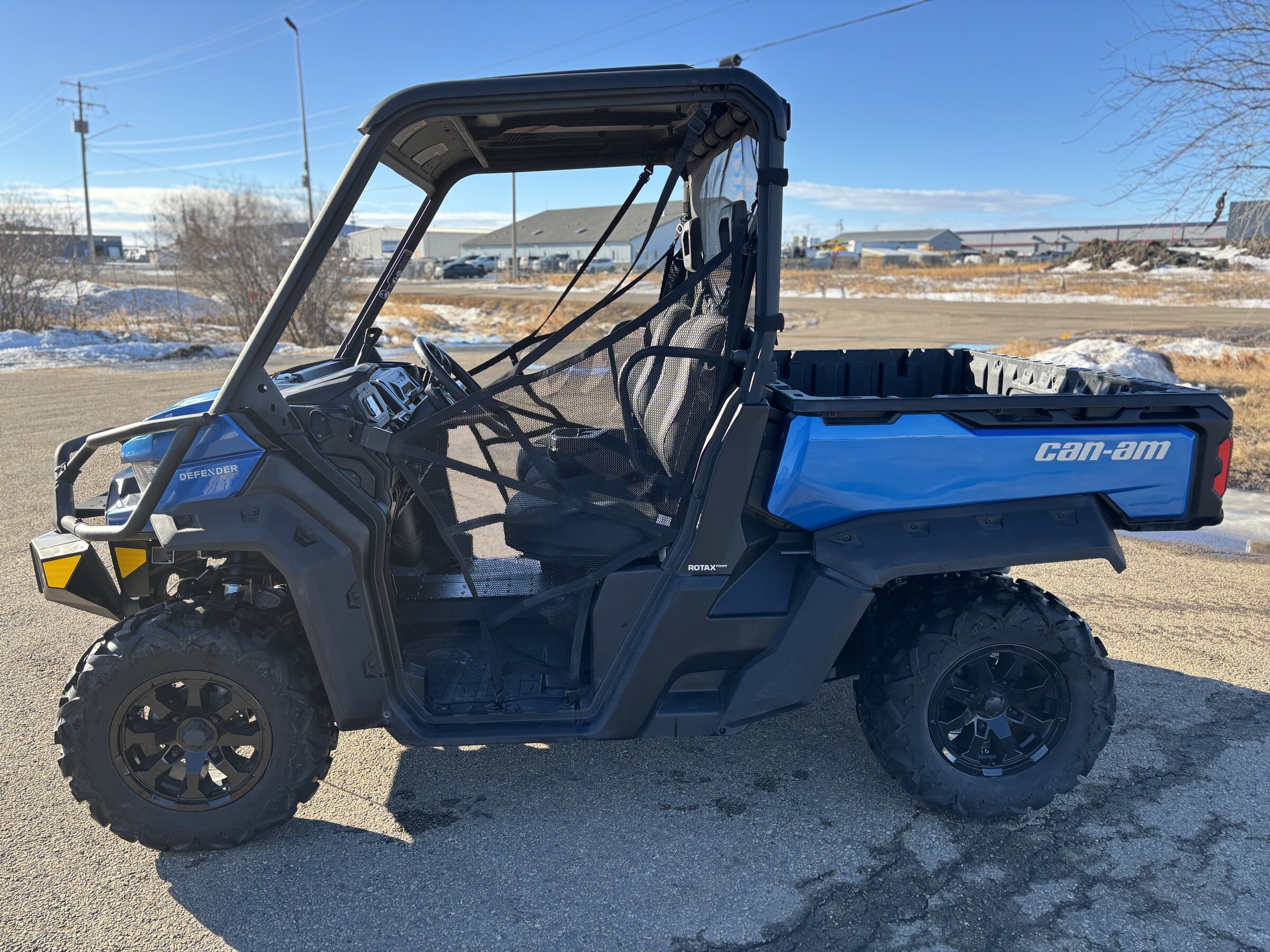
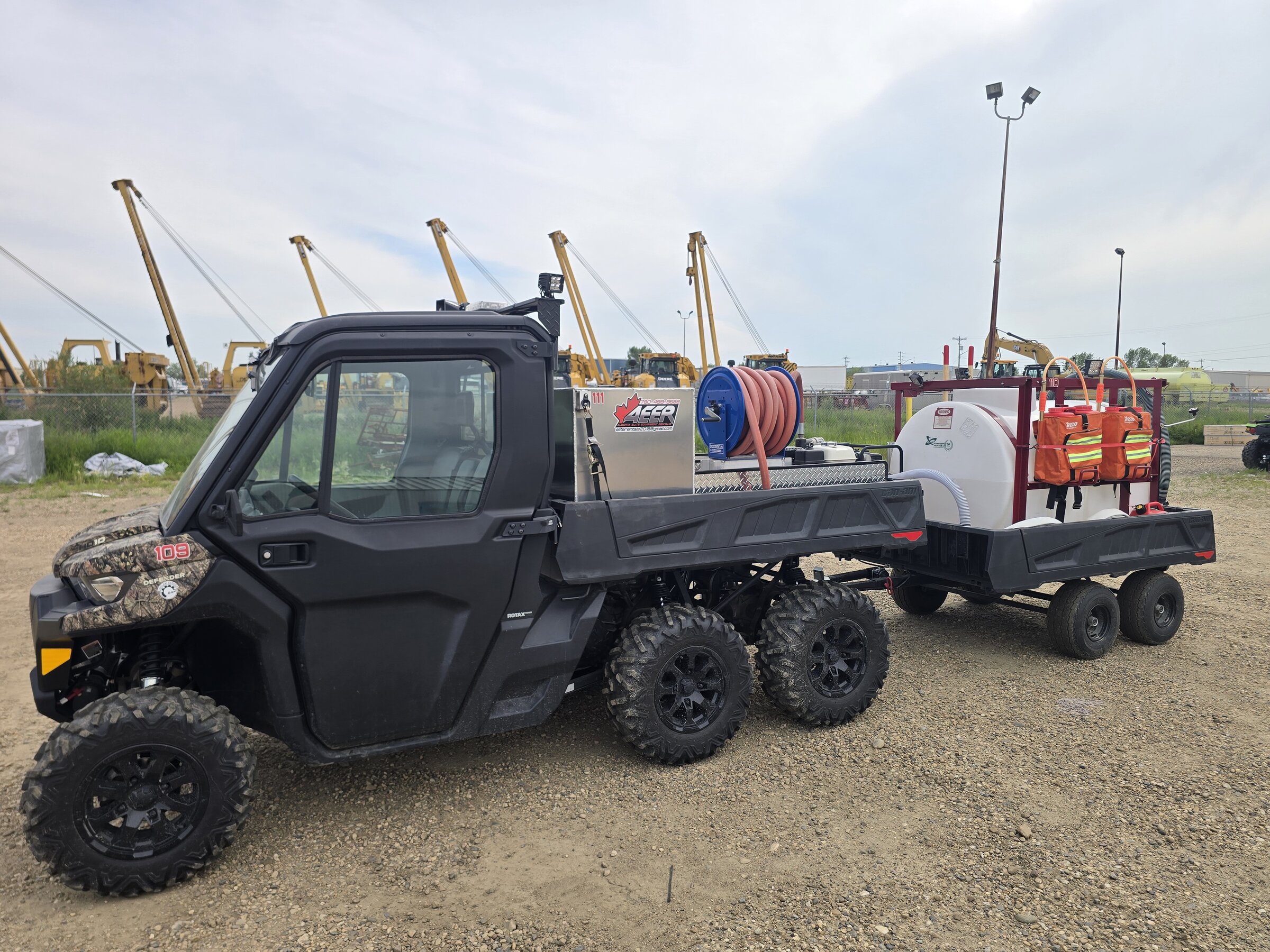
Take the next step
Put this guide to work by comparing inventory or reviewing your financing options.
Straight answers
Frequently asked questions
What should I ask a side by side dealer before visiting?
Ask what UTVs are actually on the lot today, whether cold starts and a full walk-around are allowed, what fees sit on top of the advertised price, and whether financing paperwork can start the same day. Straight answers to those four tell you how the dealer runs before you spend a Saturday driving out.
How is shopping a side by side different from shopping an ATV?
A side by side is a bigger buy with more to check. You are inspecting a roll cage, seats and harnesses, doors, a cargo bed, and often a winch or windshield, not just a quad. Seating count, bed capacity, and whether the machine fits your trailer and trail width all matter, so the dealer conversation is closer to buying a work vehicle than a toy.
Should I buy a new or used side by side?
A new unit gives you no history to chase and may include coverage terms to confirm on the specific unit. A used unit costs less but needs a harder look at belt wear, cage and bed condition, and hours. Neither is automatically right. Decide based on how hard you will run it, whether you need coverage, and what payment fits, then match that to what the dealer actually has listed.
Can I finance a side by side?
Often yes, subject to lender rules, the unit age and hours, and your file. Ride Motor Company can walk you through financing options. Approval always depends on the lender reviewing the full file, so treat any claim of certain approval before that review as a red flag.
Do you only help Edmonton buyers?
Ride Motor Company serves customers across Canada, with lot and service reality centered in Edmonton and Leduc, Alberta. Start on UTV inventory online, then plan an in-person visit or a remote next step from there.
Useful links
Plan your next step
Keep reading
Related resources
utvs
Side by Side for Sale in Edmonton
Looking for a side by side for sale in Edmonton? Filter live UTV inventory, confirm Edmonton or Leduc stock, and plan financing before you drive out.
utvs
Side by Side Sales Guide for Canadian Buyers
See how a real side by side sale runs, what to confirm before deposit, and how to move from live inventory to financing at Ride Motor Company.