
If you are comparing side by side sales, you have already made the hard call. You want a UTV. What you need now is a clear picture of how the sale itself should run, so a good machine does not slip away in a mess of fees, guesswork, and a wasted Saturday. This guide is that picture. It covers what a real sale includes, the steps a deal moves through, how the process works at Ride Motor Company, and how financing fits without any promises no one can keep.
This is not a find-a-dealer page. If you want help sizing up a dealer and grading a used unit on the lot, the side by side dealer guide covers that groundwork. This page owns the sale itself: the price path, the paperwork, the deposit, the trade-in, and the delivery.
Where to start:
- Browse live units on UTV inventory and note the stock numbers you like
- Get fee and trade clarity before any deposit is discussed
- Start financing options if payment is the gate on the deal
What side by side sales should mean in practice
A "sale" that only shows you a price is not a sale process. It is a price tag. A real side by side sale makes five things clear before you put money down: the exact unit, the price path with any fees on top, the paperwork, how a trade folds into the numbers, and the delivery or pickup plan. If a seller cannot walk those five in plain language, the deal is not ready for your deposit.
The gap shows up most between a marketplace listing and a dealership-style sale. On a marketplace, you chase one machine from one seller, arrange your own financing, and carry the paper risk yourself. A dealership-style sale puts multiple units, a structured desk process, a financing conversation, and a service lane in one stop. Use the comparison table below to see where each path costs you time and where it saves it.
New, used, and ready-to-work units each carry a different sale expectation. A new unit should come with coverage terms you confirm on the specific machine. A used unit should come with honest hours, a belt and cage you can inspect, and a price that reflects the wear. A ready-to-work setup with a winch, a plow, or a cab should list what is actually fitted, not what could be added later for a cost no one mentioned yet.
The sale process step by step

Every clean side by side sale moves through the same order, and skipping a step is where weekends get wasted. Work the readiness checklist in this guide from the top, and the deal stays in your control instead of the seller's.
Start by confirming a live unit. Open current UTV inventory before you travel and write down the stock numbers that fit, because a machine you cannot confirm is on the lot today is not a machine you should drive out to see. Then define work versus play in concrete terms: seats, bed, trail width, and tow need. That single decision rules out half the lot and keeps you from falling for the wrong shape of machine.
Next come the numbers. Ask what sits on top of the asking number, because fees you learn about at the desk are the fastest way to lose trust in a deal. If you are trading a unit, raise it early, since a trade changes the out-the-door math and works best when it is in the conversation from the start, not sprung at signing. A deposit comes only after the unit, the fees, and the trade are clear, and it should hold the specific machine so no one else buys it while you sort payment.
The sale is not finished at the handshake. Line up the paperwork, the insurance timing, and the pickup or delivery plan before you leave the desk. Confirm the documents you need to sign, when insurance has to be active, and whether you are picking the unit up or arranging transport. A sale that plans the paper and the pickup is a sale that actually ends with a machine in your driveway.
How side by side sales work at Ride Motor Company
Ride Motor Company runs the sale as one process instead of a scattered chase. The lot and service reality sits in Edmonton and Leduc, Alberta, and a single online list pulls from both locations. That matters for one practical reason: the unit you want may not sit where you assume, so confirm which location holds the exact machine before you plan the drive. For local stock shortlists, pair this with the side by side for sale in Edmonton guide.
Browse UTV inventory first. Shortlist two or three units that fit your use, note the stock numbers, and treat the live feed as the truth rather than any count printed in an article. From there, the desk process is meant to be explainable at every step: the unit matches the listing, the fees are named up front, the trade is worked into the math early, and financing can start the same visit if payment is the gate.
Ride Motor Company serves customers across Canada, with those two Alberta locations as the physical proof points. If you are outside the Edmonton area, the same order still works. Shortlist online, confirm the unit and the location, then plan an in-person visit or a remote next step. The questions that move a deal are simple and pressure-free: is this exact unit here today, what sits on top of the ask, will a trade change the numbers, and can financing start now. Straight answers mean the deal is real.
Financing the sale without guesswork

Payment structure decides most real side by side buys, so handle it early instead of letting it ambush you at the desk. Financing a UTV is common, but it depends on the lender, the unit age and hours, and your file. No one should promise approval before they have seen any of that, and a page that claims certain approval before a review is selling you a feeling, not a fact. Start from the financing page when payment is the gate.
A finance package usually pulls together identification, income details, a down payment or trade if you have one, and information about the specific unit. Bringing that to the conversation up front turns the payment talk into a quick confirmation rather than a cold start while a good machine sits in front of you. See the financing options page for what the process actually looks like before you commit to a visit.
If your credit is rough, that is common and workable, and a side by side is a large enough buy that payment structure often matters more than it would on a smaller unit. The honest version is this: bring the full scenario, be ready for specialist-lender options, and expect the desk to work the file rather than promise a result up front. As a rough illustration only, financing spreads the price into a monthly payment over a set term at a rate the lender sets. Actual figures depend entirely on approval, term, and the unit, so treat no number here as a quote or a promise.
Side by side sales mistakes that waste a weekend
The traps in a UTV sale are predictable, and every one of them is avoidable:
- driving to a lot before confirming the exact unit is there today
- talking price before you have named your work-versus-play use case
- letting fees appear at the desk instead of asking what sits on top of the ask
- springing a trade-in at signing instead of working it into the math early
- putting down a deposit before the unit, the fees, and the paper path are clear
- falling for a machine before checking whether the payment even works
Arrive with a shortlist, a confirmed unit and location, clear fees, and the financing conversation already started. That is the difference between a wasted drive and a clean deal that ends in your driveway.
Next step: shortlist units and start the desk conversation
If you know the machine you want, stop tab-hopping. Browse UTV inventory, note two or three stock numbers, confirm the unit and location, and start a financing conversation if payment is the gate. That is the whole path from comparing side by side sales to a real deal that runs the way it should.
| Step | Buyer action | Why it matters |
|---|---|---|
| Confirm live unit | Open current UTV inventory before you travel | Stops a sold unit from wrecking a whole day of driving |
| Define work versus play | Decide on seats, bed, trail width, and tow need | The wrong machine is expensive to unwind after the sale |
| Plan the walk-around | Check the cage, belt, bed, cold start, and hours | A sale price means little if the condition does not back it up |
| Get fee clarity | Ask what sits on top of the asking number | Surprises at deposit are what kill trust in a deal |
| Ready your finance file | Have income, down payment, and trade notes on hand | Lenders review a real file, not a good feeling |
| Set the paper and pickup plan | Line up documents, insurance timing, and transport | A sale is not finished at the handshake |
| Factor | Marketplace private sale | Dealership-style sale |
|---|---|---|
| Inventory choice | Usually one machine | Multiple UTV options in one place |
| Sale process | Ad hoc and improvised | A structured desk process you can follow |
| Financing | You arrange it alone | A financing conversation at the same stop |
| Service follow-up | Rare after the money moves | A service lane you can come back to |
| Paper path | Variable risk you carry yourself | A process that should be explainable before money moves |
| Time cost | High chase cost across many sellers | One visit can clear many blockers at once |
Live inventory
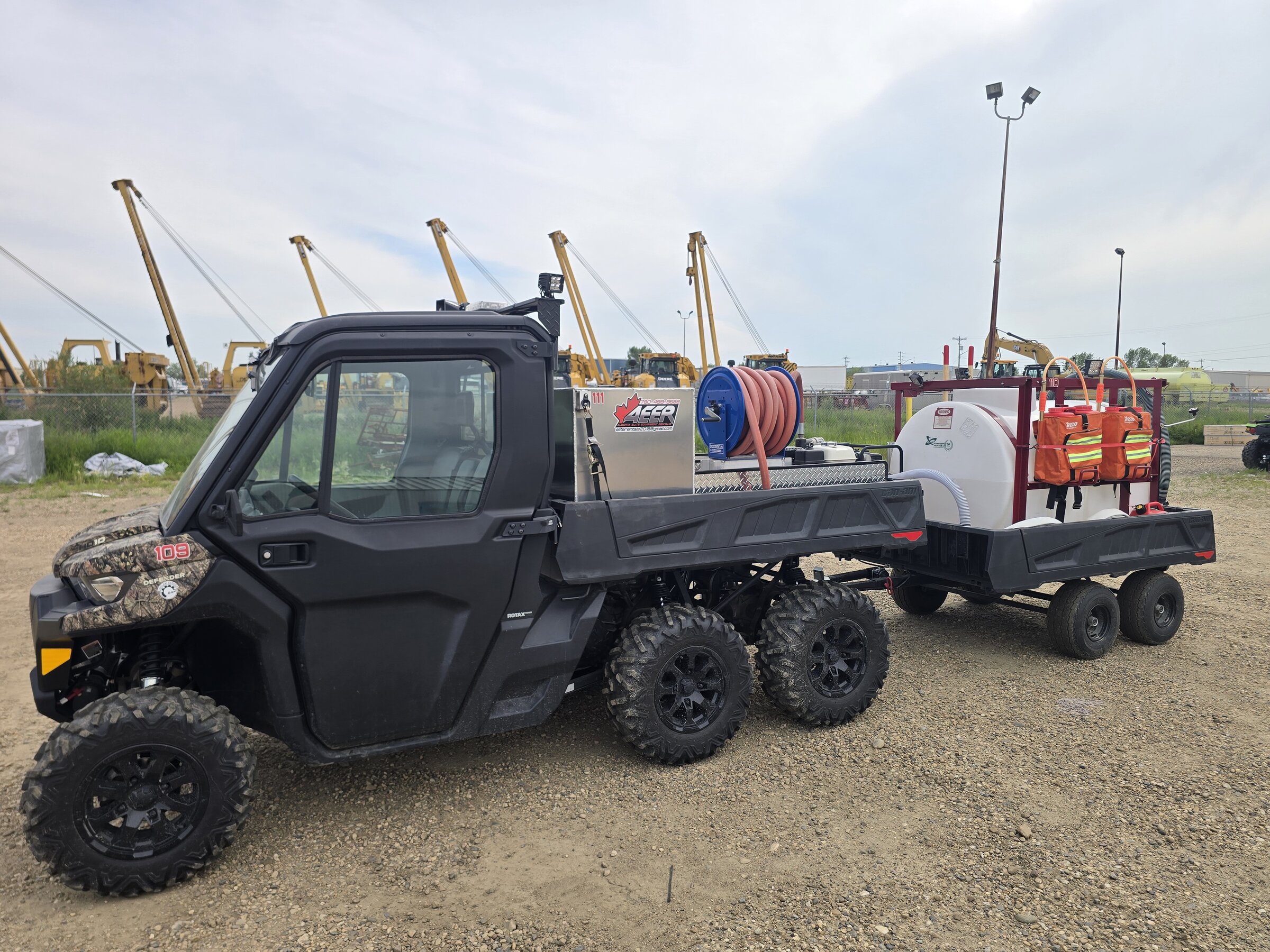
Side-by-sides and UTVs on the lot now
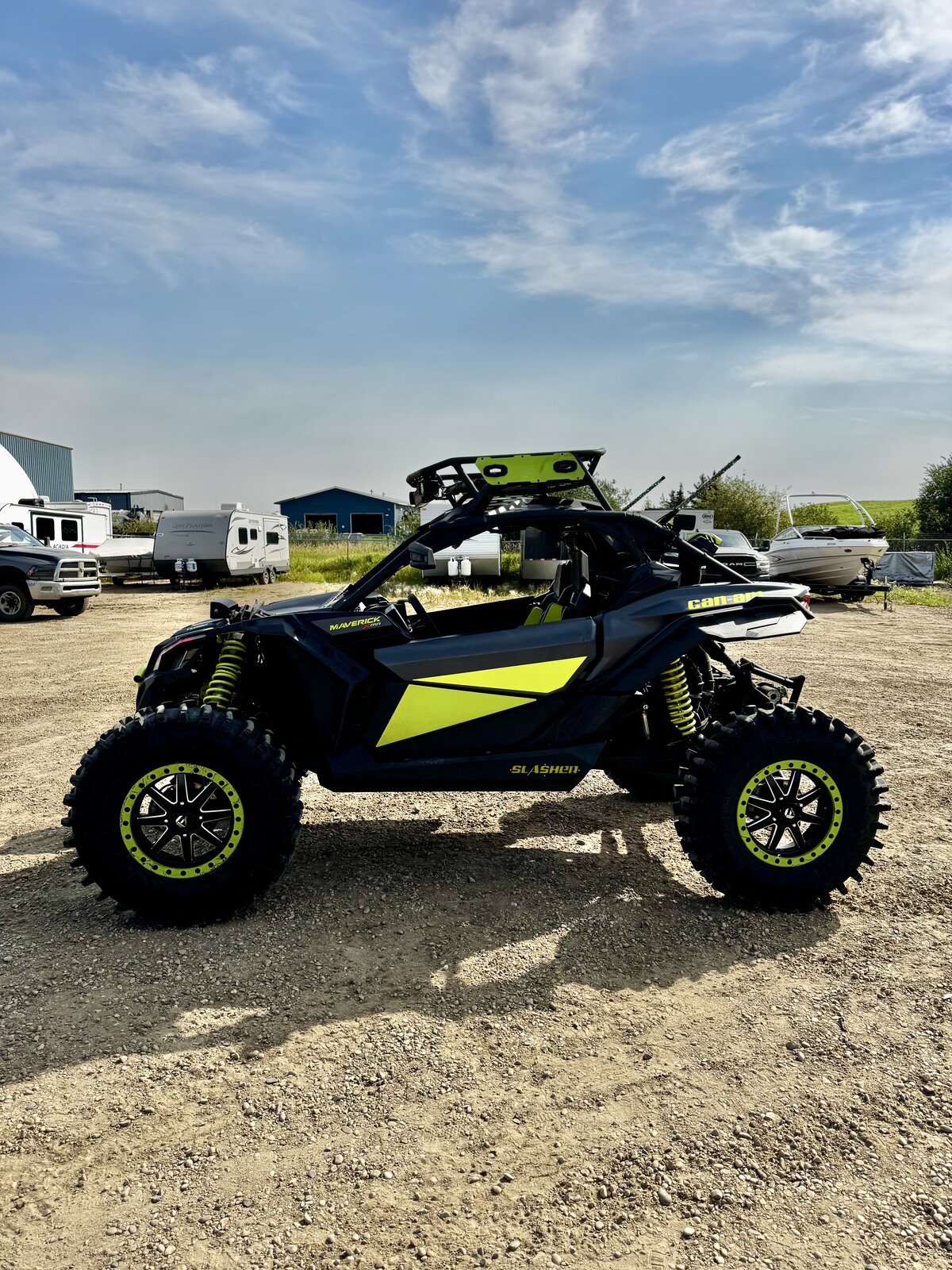
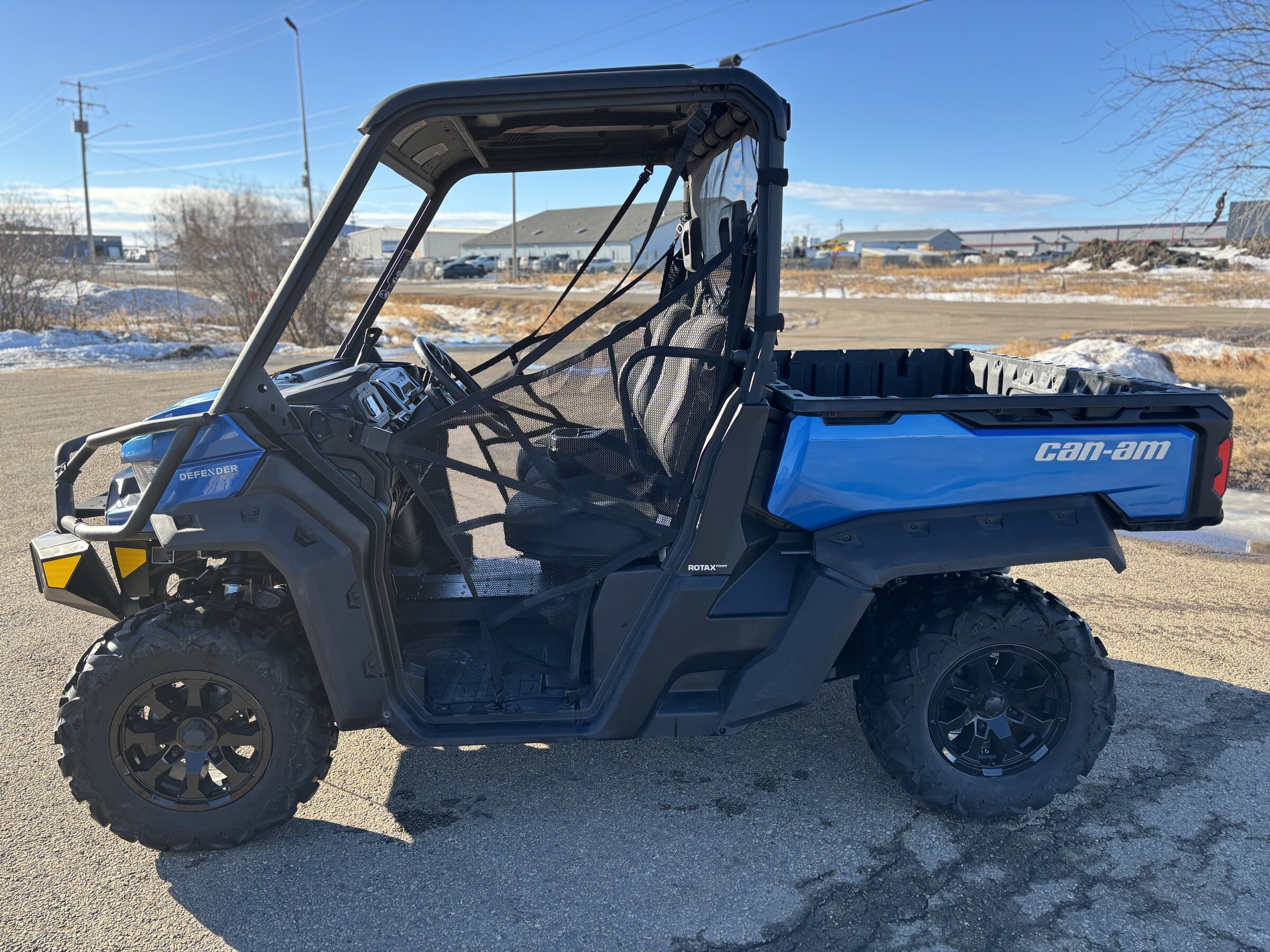
Live RMC inventory pulled from the dealership feed. Availability changes daily, so shortlist from the current list here rather than trusting any count in an article.
Take the next step
Put this guide to work by comparing inventory or reviewing your financing options.
Straight answers
Frequently asked questions
What does a side by side sale usually include?
A complete sale makes the unit, the price path, the fees, the paperwork, and the next step clear before you put money down. Ask what is on the lot today, what sits on top of the asking number, and whether financing can start the same visit. A sale that cannot explain those things before a deposit is not ready for your money.
How is a side by side sale different from buying an ATV?
A side by side is usually a bigger commitment with more fit questions, including seating, a cargo bed, cage and doors, trail width, and a tow or trailer plan. Treat it more like buying a work vehicle than a single-seat toy, because the wrong machine is an expensive mistake to unwind after the sale.
Can I finance a side by side at the time of sale?
Often yes, subject to lender rules, the unit age and hours, and your file. Ride Motor Company can walk you through financing options. No one should promise approval before a real review of your file, so treat any certain-approval claim before that review as a warning sign.
Should I buy new or used in a side by side sale?
New reduces history risk and may include coverage terms to confirm on the specific unit. Used costs less and needs a harder look at the belt, the hours, the cage, and the bed condition. Choose from your use case and payment fit, not from a slogan on the tag.
Do you only complete sales for Edmonton buyers?
No. Ride Motor Company serves customers across Canada, with the lot and service reality centered in Edmonton and Leduc, Alberta. Start on UTV inventory online, confirm the unit, then plan an in-person visit or a remote next step from there.
Useful links
Plan your next step
Keep reading
Related resources
utvs
Side by Side Dealer Guide for Canadian Buyers
Shopping for a side by side dealer? Compare lot process, inspection basics, financing paths, and live UTV inventory at Ride Motor Company in Alberta.
utvs
Side by Side for Sale in Edmonton
Looking for a side by side for sale in Edmonton? Filter live UTV inventory, confirm Edmonton or Leduc stock, and plan financing before you drive out.