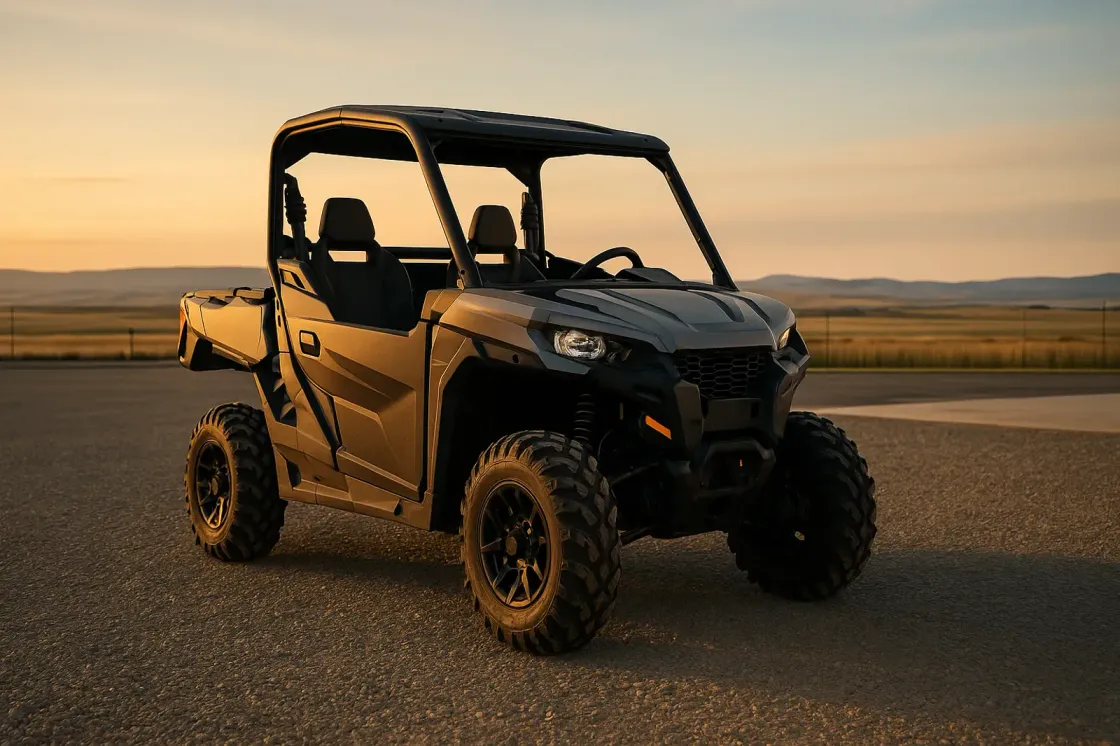
When you walk into a dealership and ask about powersports financing, it comes down to three things: a credit application, the unit you want, and a lender match that fits your file. No secret menu. No bank-only path. This guide walks that process end to end.
Here is the honest version up front: most powersports units run through a similar desk process in Canada, but each machine, its age, and your full file still shape the outcome. Ride Motor Company serves shoppers across Canada, with lot and service reality centered in Edmonton and Leduc, Alberta, so the local details here are the real thing.
Where to start:
- Sort the payment path first if money is the gate
- Build a shortlist from live units that fit that number
- Confirm which location holds the machine before you drive
What powersports financing in Canada actually covers
Powersports financing is one funding path that spreads the price of a recreational unit into a monthly payment over a set term. It covers ATVs, side-by-sides and UTVs, and snowmobiles under the same basic desk process, even though the details shift by machine.
One process, several machine types
The desk gathers your file once and can work it against more than one unit type. That matters if you are torn between a side-by-side for the family and a sled for winter, because you do not have to start from scratch each time. The file is the file. The unit you attach to it is the part that moves.
Why this guide is different
Most financing content online exists to sell you one bank's loan. This does not. We are a dealership, not a lender, so our desk does not push a single brand. It shops a panel of lenders until it finds the match that fits your file and the unit you picked. What you read here is how the process actually runs. If any page promises approval before someone reads your file, close the tab.
How a real Canadian powersports finance check works
A finance check is a lender reading a file, not a feeling. The desk collects your details, sends them to a panel of lenders, and comes back with what is actually on the table for you and the specific unit. Any rate you see is OAC, short for on approval of credit, which means the number is a starting point, not a promise.
The desk reads your file, not your enthusiasm
Lenders review identification, income, banking, and your debt load, then weigh that against the unit. They also pull your bureau, which is your credit report, and read your beacon score, the Equifax number that carries the most weight in Alberta. A prepared shopper moves faster because the payment talk becomes a quick confirmation instead of a slow back and forth, and rough credit is common and workable.
Rate, term, and total are one lever
A longer term lowers the monthly figure but raises the total you pay, and a shorter term does the reverse. That spread is the amortization, the number of months the payment is stretched over. Any figure at this stage depends entirely on approval, term, and the unit, so nothing here is a quote.
What changes by machine type
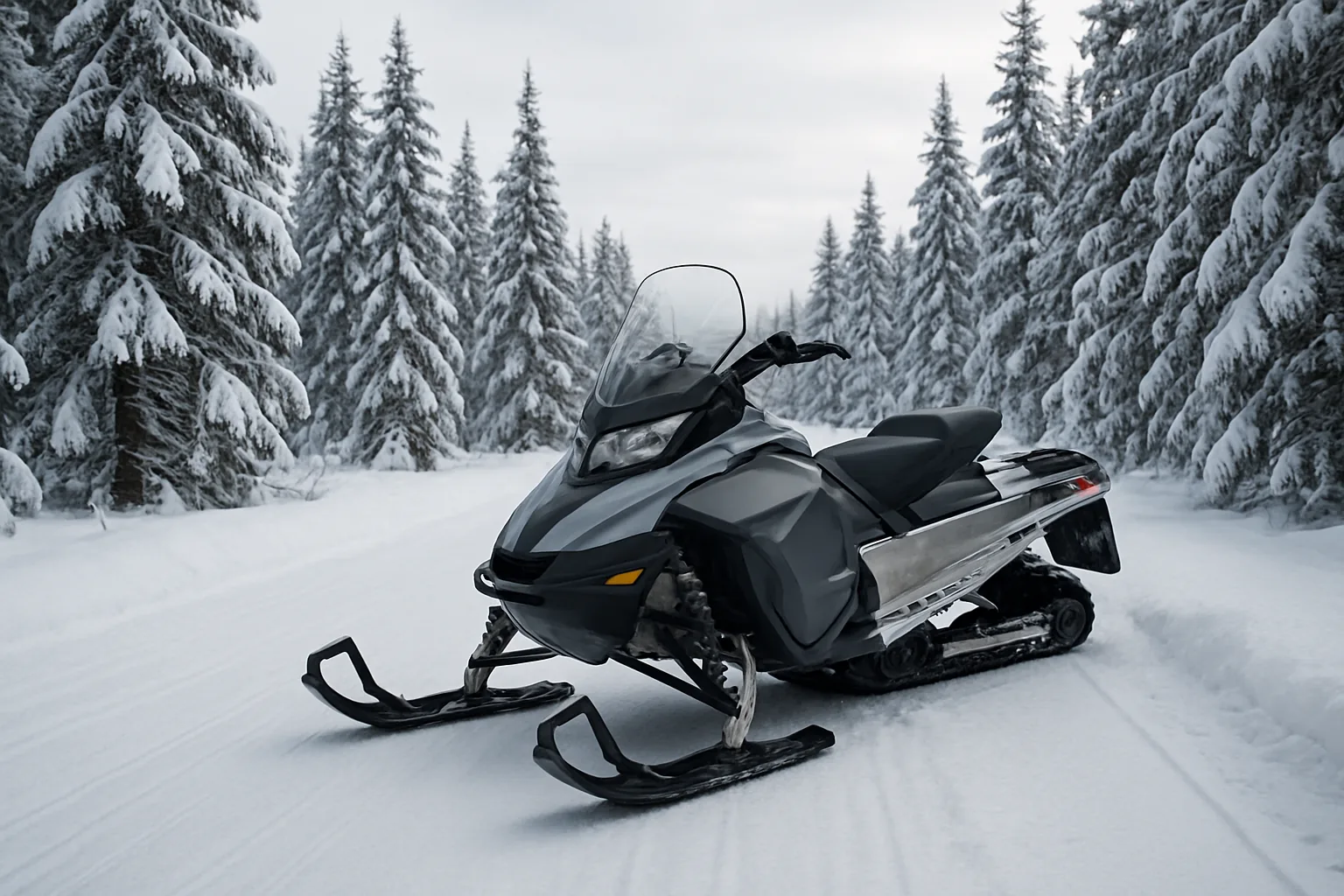
Not every powersports buyer wants the same thing, and the unit you choose shapes the finance talk. Lenders weigh age, hours, use, and value differently across ATV, side-by-side, and snow, so know which lane you are in before you sit at the desk.
ATV and side-by-side files
An ATV is often a straightforward file, especially on a newer unit. A side-by-side usually carries a higher sticker, so the larger amount to finance can tighten the review. On a used unit of either type, lenders watch the loan-to-value, meaning what they will lend against what the machine is actually worth.
Snowmobile seasonality
A snowmobile is a winter machine with a short buying season, so timing matters more than on a year-round ATV. A down payment covers the gap between the sale price and the book value, the reference value lenders use for that unit. If you shop a sled in the off-season, expect the value read to reflect that.
Documents to bring to the desk
A finance conversation is fast when the file is ready. The checklist below is the version that saves a second trip. Hand the desk a complete file and lenders can review something real on the first pass instead of chasing paper.
Build the file before you sit down
Gather identification, recent proof of income, banking details, and honest numbers on your housing and existing debt. If you are self-employed, bring statements that show income over time. Sometimes the lender asks for stips, short for stipulations, which is just extra proof like a recent pay stub or a second piece of identification to confirm the file.
Bad credit and specialist lenders, straight talk
This is the real fear behind most powersports searches, so here is the straight answer. Rough credit changes which lenders fit and what the file needs to look like. It does not automatically mean no, and it never means you should trust a guarantee.
What helps a harder file
A realistic down payment, steady income, time on the job, and a clean recent payment history all help a lender say yes. So does a complete file with no surprises. The more you hand over up front, the easier it is for a specialist lender, one that funds harder files the bank passes on, to see a real person.
Why nobody honest can guarantee approval
No desk can promise approval before a lender reads your file, and any page that claims certain approval is selling a feeling, not a fact. If your main worry is a rough credit chapter and you want it read early, the ATV loan pre-approval guide walks through the pre-check step in detail.
From a finance check to a live shortlist
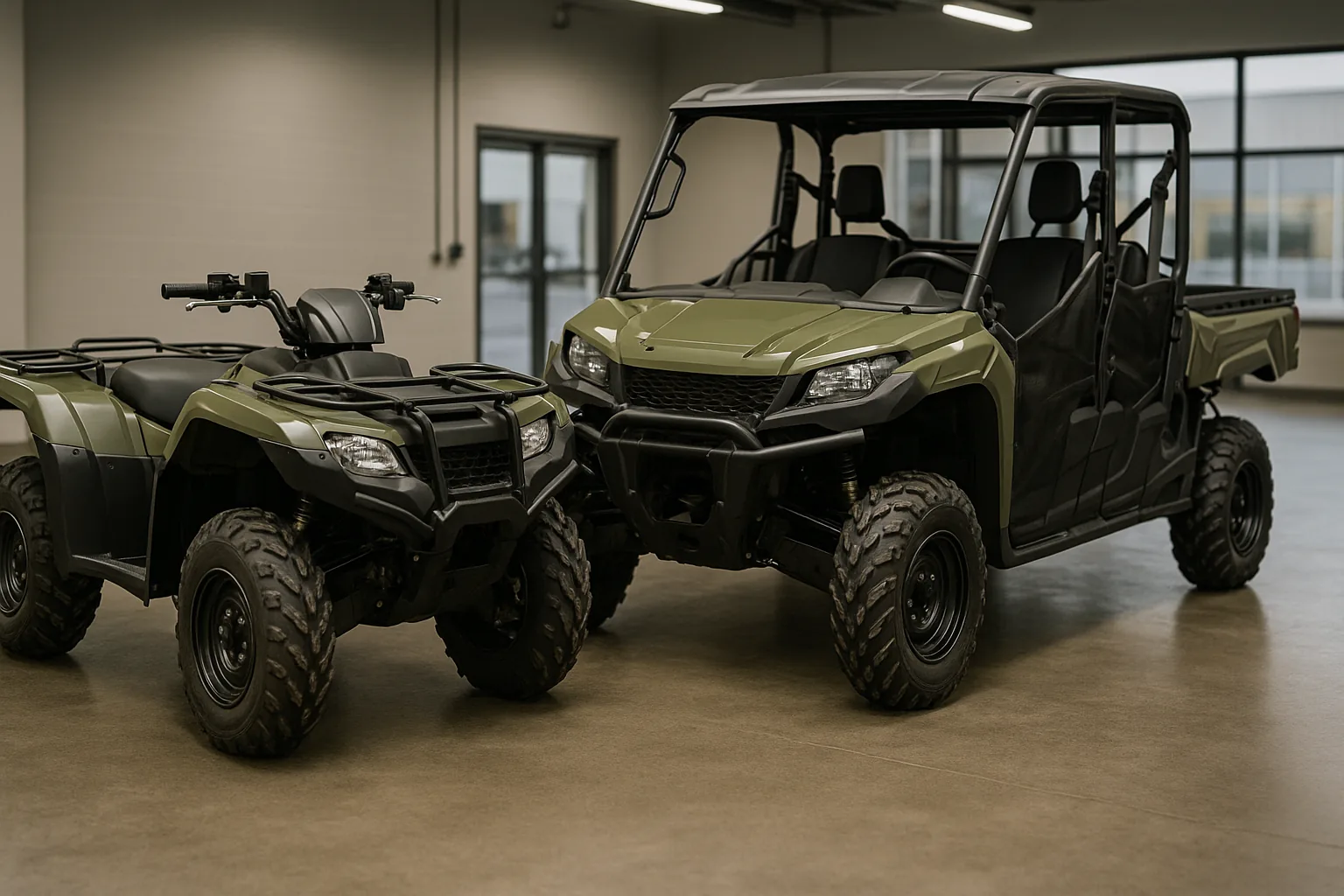
Once you have a payment band, the finance check turns into a shopping tool. Match the band to real units and the buy moves fast, because you are choosing between machines you can actually fund.
Match a payment band before you fall for a unit
Pick a monthly figure you are comfortable with, not the ceiling a lender might stretch to. Then take that band to live inventory and filter to units that fit, whether that is an ATV, a side-by-side, or a sled. Note the stock numbers so the desk can pull the exact machine instead of guessing.
Keep room for tax, fees, and add-ons
The sticker is rarely the final number. Leave room for tax, documentation fees, and any starter add-ons so your band still holds at the desk. When your shortlist is set and your file is ready, start the real application on the financing page and let the full review begin.
How this page fits next to ATV financing and pre-approval
This guide owns the Canada-wide, multi-unit view. If you already know you want a single machine or a single step, two sibling pages go deeper.
Use the ATV spoke for ATV-only depth
If your buy is an ATV and nothing else, the ATV financing overview covers that unit type in full, from the used-unit lane to the credit talk. This page stays wide so you can compare across machine types before you commit.
Use pre-approval when the blocker is a yes or no
If your real question is whether you will get approved at all, start with the pre-approval path. It sets a budget band and reads your credit early, before you are standing at a desk with a unit on hold.
Common Canadian powersports financing mistakes to avoid
The traps are predictable, and every one is avoidable with a little prep:
- shopping units before you know your real payment band
- assuming an ATV, a side-by-side, and a snowmobile all finance identically
- showing up without income proof or banking details
- treating a guaranteed-approval promise as anything but a red flag
- leaving location and pickup logistics until the paper is signed
Arrive with a payment band, a prepped file, and the finance conversation already started. That is the difference between a smooth buy and a stalled Saturday.
Next step: sort your number and shop across units
If money is the thing holding you back, handle it first. Start a financing check to set your band, build a shortlist from live inventory across ATV, side-by-side, and snow, and confirm Edmonton or Leduc before you drive.
| Item | Why it matters | Bring digital or paper |
|---|---|---|
| Government photo identification | Confirms who is signing the file | A valid driver licence or passport, not expired |
| Recent proof of income | Shows you can carry the monthly payment | Pay stubs, or statements if you are self-employed |
| Basic banking details | Sets up the payment and confirms the account | A void cheque from your bank app or a paper cheque |
| Housing and debt numbers | Lets the lender read your monthly room to pay | Rent or mortgage, plus current loan and card balances |
| A short unit list | Ties the file to a real machine, age, and price | Note stock numbers from live inventory before you apply |
| Unit type | Common use case | Where the file gets friction |
|---|---|---|
| ATV | Work, hunting, and trail across the seasons | Older high-hour units draw more scrutiny on condition |
| Side-by-side or UTV | Higher sticker, often family or ranch use | Larger amount to finance can tighten the review |
| Snowmobile | Winter-only riding with a short buying season | Timing and seasonal value can shape term and rate |
Take the next step
Put this guide to work by comparing inventory or reviewing your financing options.
Straight answers
Frequently asked questions
Can I finance an ATV, a side-by-side, and a snowmobile the same way in Canada?
Often the desk process is similar for all three. The unit type, its age, and your full file still change the outcome. Nobody honest promises one answer for every machine, so treat each unit on its own merits even when the paperwork looks the same.
What do I need for Canadian powersports financing?
Usually government identification, recent proof of income, basic banking details, and honest numbers on your housing and existing debt. Trade information helps if you have a unit to trade. Bringing that file up front turns the payment talk into a quick read instead of a stall while a good unit waits.
Does bad credit mean an automatic no on a powersports loan?
Not always. A specialist powersports path can still be worth a real review, but no honest desk promises approval before a lender sees your file. Bring clean documents and a realistic down payment plan, and expect the desk to work the file rather than wave a guarantee.
Is powersports financing the same as a bank personal loan?
Not always. Some buyers use a bank, but many powersports deals run through specialist lenders tied to the specific unit and your full file. That is why a dealership desk that works with a panel of lenders can often place a deal a single bank would pass on.
Should I get a finance check before I pick a unit?
Yes if money stress is the blocker. A budget band keeps you from shopping units you will not fund cleanly, whether you want an ATV, a side-by-side, or a sled. Sort the number first, then build a shortlist from live inventory that fits it.
Useful links
Plan your next step
Keep reading
Related resources
financing
ATV Financing in Alberta: How the Payment Path Works
How ATV financing really works at a dealership desk in Alberta, what documents to bring, how used units affect approval, and honest credit talk.
financing
ATV Financing Alberta: Edmonton and Leduc Desk Path
Looking at ATV financing in Alberta? See how an Edmonton or Leduc desk reviews a file, what to bring, used-unit notes, and how to move to live inventory.
financing
ATV Loan Canada: What Buyers Should Sort Before They Buy
Looking at an ATV loan in Canada? See how the desk reads the file, what docs matter, and how Ride Motor Company starts a real payment check.
financing
Financing a Snowmobile: The Step-by-Step Guide
Follow the steps to finance a snowmobile in Canada. Know what lenders review, what to prepare, and how to start the process with confidence.