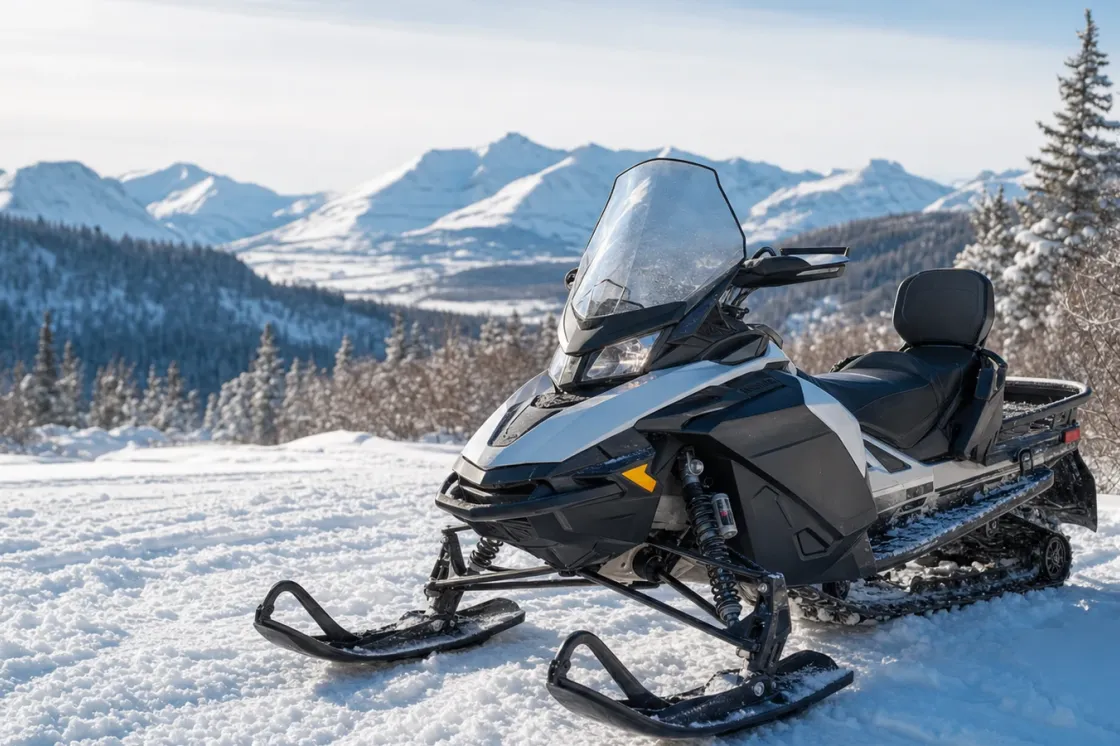
Financing a snowmobile follows a clear, sequential path. When you know what happens at each stage of the process, you can move from browsing machines to riding trails while avoiding unnecessary back-and-forth at the finance desk. Each step builds on the previous one, and arriving prepared gives you control over your budget and purchasing timeline.
This step-by-step walkthrough covers the exact sequence Canadian powersports buyers navigate: selecting the right machine, understanding how lenders evaluate an application, gathering required documentation, and reviewing any final offer before taking delivery.
Step 1 - Pick your sled and set a realistic total budget
The financing process begins by selecting the right snowmobile for your riding style and defining a complete, realistic purchase budget. Lenders evaluate both the applicant and the specific vehicle when reviewing a loan request.
Financing a sled is structured as a secured loan, a loan backed by the vehicle itself, meaning the machine serves as security while you repay the borrowed balance. Choosing a unit that aligns with market value benchmarks creates a stronger foundation for approval.
Target unit specifications and condition
Whether you want a mountain sled for deep powder, a crossover for mixed terrain, or a reliable utility machine, note the specific machine details before applying:
- Model year and brand: Newer units often qualify for longer repayment terms, while older machines may carry shorter term limits depending on lender guidelines.
- Odometer and engine hours: Lenders look at operating hours and overall mileage to gauge wear and mechanical life.
- Included accessories and upgrades: Factory options, aftermarket tracks, and cargo attachments can be included in the total financed price when itemized on the bill of sale.
Take time to browse live inventory to compare real pricing across different models, years, and trim levels.
Total loan balance versus monthly carrying cost
Many buyers focus solely on the monthly payment figure without considering the complete cost of ownership. Your target purchase price plus taxes and fees, minus any cash down payment or trade-in credit, determines your amount financed, the total balance you borrow, which forms the foundation of your monthly payment calculation. Any optional accessories or protection packages added to the loan will also adjust this starting figure.
When establishing your total budget, factor in the full seasonal picture:
- Machine purchase price: The agreed sale price of the snowmobile.
- Provincial taxes and fees: Applicable GST or PST, plus documentation and registration fees.
- Seasonal insurance coverage: Mandatory liability and collision coverage required by lenders during the financing term.
- Gear and maintenance: Winter riding gear, spare belts, oil, trail passes, and routine seasonal service.
Step 2 - Check what a lender reviews on your file
Before submitting an application, understanding what lenders look for allows you to present your financial background clearly and address potential questions early. Lenders look at affordability, credit reliability, and machine value.
If you want a broader look at seasonal timing and powersports credit tiers, our guide on how snowmobile financing works explains the overall dealership desk path in detail.
Credit bureau history and beacon score
When you apply, lenders request your credit report from a credit bureau, the agency that keeps your credit file, to review your track record with past vehicle loans and revolving credit. Lenders evaluate your repayment consistency across past automotive loans, credit cards, and personal lines of credit.
Lenders in Alberta pay close attention to your beacon score, the Equifax rating used across Canada, alongside your steady income. A strong score can unlock lower interest rates and flexible term options, while a rebuilding score can still secure financing through specialized lenders who evaluate current income stability over past credit history.
Debt-to-income balance and employment stability
Lenders compare your monthly earnings against your existing financial commitments. They look for consistent, verifiable income that comfortably covers your housing, active debts, and the new snowmobile payment with room to spare.
Stable full-time employment, consistent self-employment history, or verifiable seasonal earnings backed by tax records provide lenders with confidence that payments will be maintained consistently through the off-season.
Step 3 - Shape your request with down payment and term choices
How you structure your financing request can influence monthly payments, total borrowing costs, and lender approval terms. You have practical levers to customize the financing package to your financial goals.
Down payment impact on loan structure
Contributing cash upfront can strengthen your loan structure and shows personal investment in the purchase. While zero-down financing options may be available on approved credit depending on the specific lender offer, putting money down provides practical benefits:
- Can lower the borrowed balance and reduce regular payment amounts.
- Improves the amount you owe relative to the machine's value, which can make your application more attractive to lenders.
- Helps build ownership value in your machine against seasonal depreciation.
- Can shorten the overall repayment timeline if you choose to keep monthly payment amounts higher.
Selecting the right repayment term
You also discuss the amortization, the total time to repay the loan, balancing a lower regular payment against paying less interest overall. Ask the finance desk which term lengths the lender offers on your chosen snowmobile, as available term options depend on the age, value, and mechanical condition of the machine.
A shorter term means higher regular payments but minimizes total interest charges over the life of the loan. A longer term provides breathing room in your monthly budget, which helps manage seasonal cash flow, while still allowing you to make extra payments toward the balance if your contract allows penalty-free prepayments.
Step 4 - Gather your documents before you apply
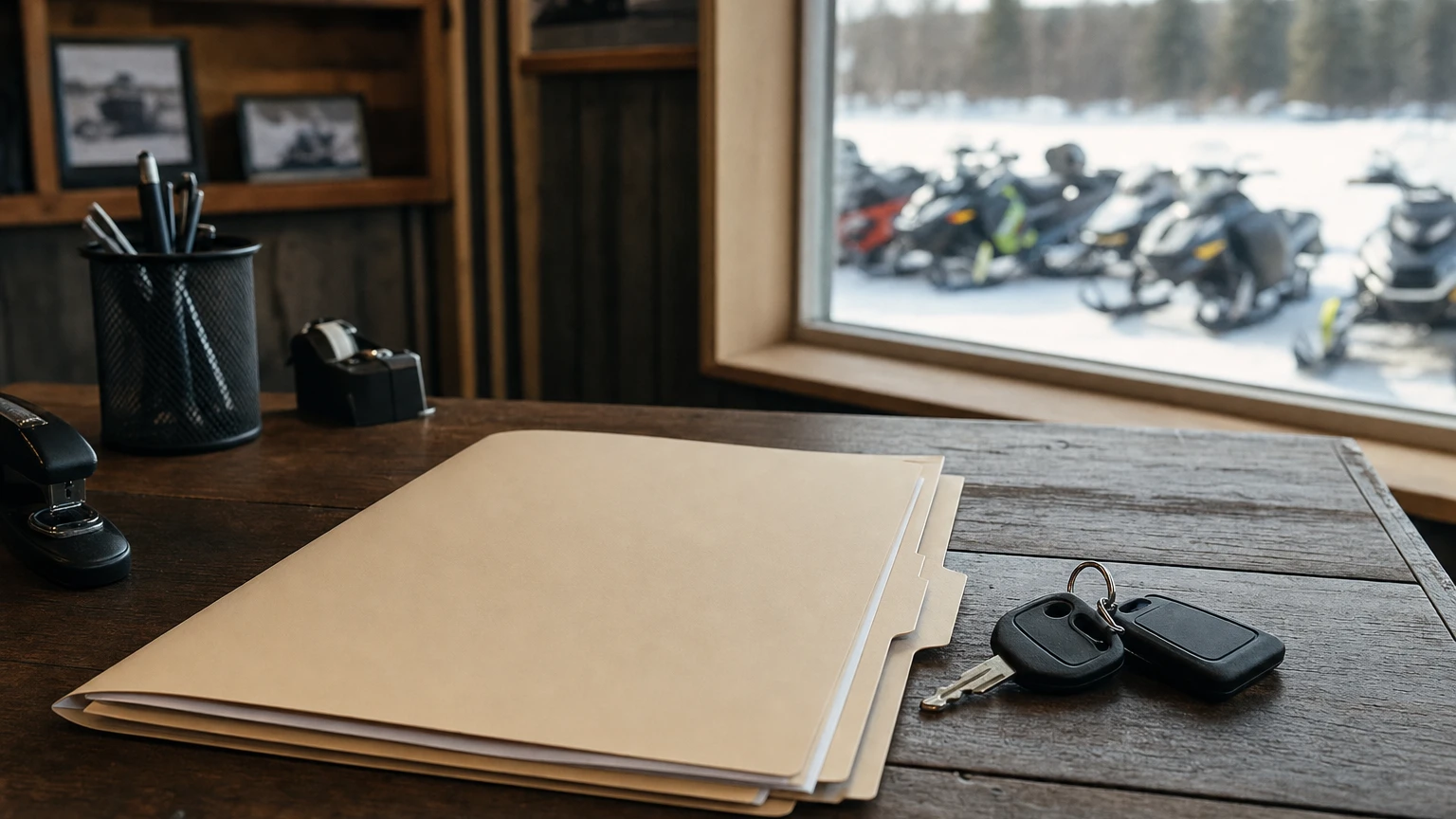
Submitting complete, clear documentation up front helps keep the review moving and allows the finance desk to present a clean file to lenders. Submitting all required stips, short for lender document requirements, during your initial conversation helps avoid preventable delays.
Preparing your paperwork folder in advance means your application can be reviewed promptly by the lender.
Required documentation checklist
Have the following standard items ready before beginning your financing application:
- Government-issued photo identification: A valid Canadian driver licence or current passport to confirm your identity.
- Proof of income: Recent pay stubs for employed buyers, or recent Notice of Assessment documents for self-employed applicants, confirming verifiable earnings based on lender guidelines.
- Banking information: A void cheque or pre-authorized debit form from your primary bank account to set up automatic payment withdrawals.
- Proof of residence: A recent utility bill, lease agreement, or property tax statement showing your current residential address.
- Snowmobile listing information: The year, make, model, VIN, and price breakdown of the unit you intend to buy.
Step 5 - Start the conversation and review the offer
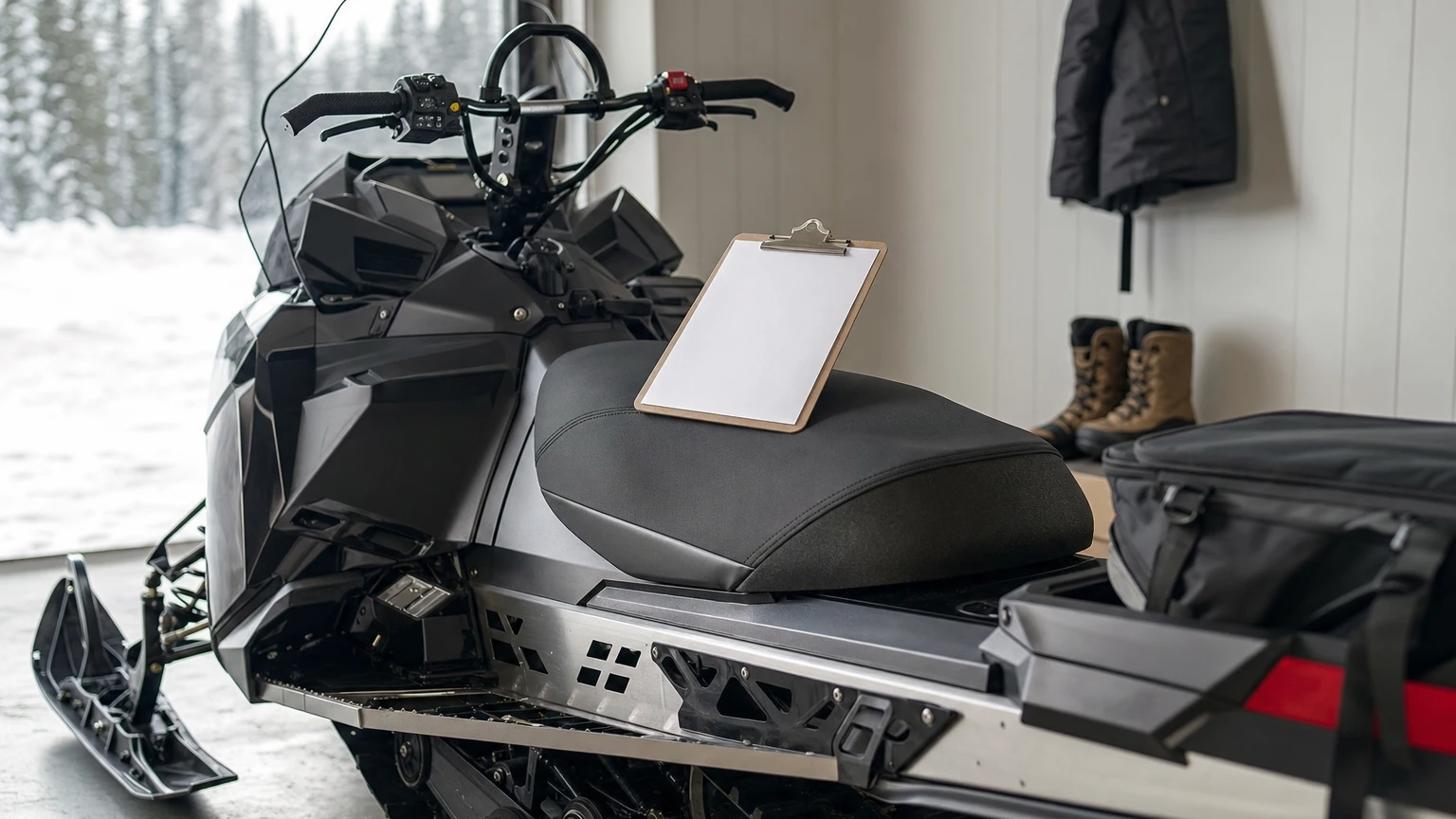
Once your budget is set and your paperwork is organized, you are ready to submit your application and review any financing offers the lender puts together with the dealership finance team.
To get the process underway, you can start a financing conversation through our secure online portal, allowing our finance team to match your scenario with suitable lending partners.
What to clarify before signing your agreement
If the lender approves your file, review the complete contract terms carefully before signing:
- Interest rate and APR: Confirm whether the interest rate is fixed and verify the annual percentage rate, including any standard lender fees.
- Payment frequency: Check what payment frequencies the lender offers, such as monthly, semi-monthly, or bi-weekly schedules to match your paydays.
- Prepayment privileges: Ask whether the loan is an open contract that allows extra payments toward the balance or full payout at any time without penalty fees.
- Total repayments: Review the total amount you will pay over the complete term, including the borrowed balance plus interest and applicable fees.
- Cost of borrowing: Ask the lender for the interest and applicable borrowing charges you will pay on top of the borrowed balance - this figure, not the total repayments, is what comparing offers on cost actually measures.
Confirming the unit and dealership location
Once the loan paperwork is finalized and approved by the lender, coordinate with the dealership to complete the bill of sale, register warranty documentation if selected, and arrange delivery or pickup.
You can confirm the unit location across our Edmonton and Leduc facilities to inspect the snowmobile in person, verify mechanical readiness, and complete final handover paperwork.
After the purchase - keeping your snowmobile loan healthy
Taking delivery of your snowmobile is the start of the ownership journey. If your lender reports the account to the credit bureaus (not all do), maintaining on-time automated payments can help build positive payment history and strengthen your credit profile over time.
If your contract allows extra payments, and many do, check whether the lender charges a prepayment charge or administrative fee, and confirm how additional funds are credited against the borrowed balance. Whether extra payments reduce your borrowing costs depends on how your contract applies them. With your financing structured soundly, you can focus on enjoying the winter trails across Alberta and Western Canada with complete peace of mind.
| Step | What you do | What you have ready |
|---|---|---|
| Step 1: Unit and budget | Pick target sled models and set an all-in total budget | Machine specifications, target price, and comfortable monthly payment ceiling |
| Step 2: Lender file check | Review credit file standing and calculate monthly income stability | Accurate awareness of credit standing and gross monthly income numbers |
| Step 3: Loan structure | Decide on down payment amount and preferred repayment term | Down payment funds ready and target monthly payment timeline |
| Step 4: Paperwork prep | Collect photo ID, proof of income, banking forms, and sled listing | Organized digital or physical paperwork folder ready for desk review |
| Step 5: Deal review | Submit application, review any formal offer terms, and confirm unit | Offer terms to review; if accepted, agreement, delivery schedule, and registration follow |
| Requirement | Why the lender reviews it | What to bring |
|---|---|---|
| Government photo ID | Confirms identity and legal age of majority in your province | Valid driver licence or current passport |
| Proof of employment income | Verifies reliable earnings to support regular loan payments | Recent pay stubs, T4 slip, or notice of assessment |
| Banking information | Establishes automated payment processing | Void cheque or pre-authorized debit form from your financial institution |
| Housing and debt profile | Evaluates how comfortably your income covers your monthly commitments | Monthly rent or mortgage amount and ongoing loan commitments |
| Sled listing details | Establishes the machine's value for the loan | Stock number, model year, VIN, mileage, and mechanical condition |
Live inventory
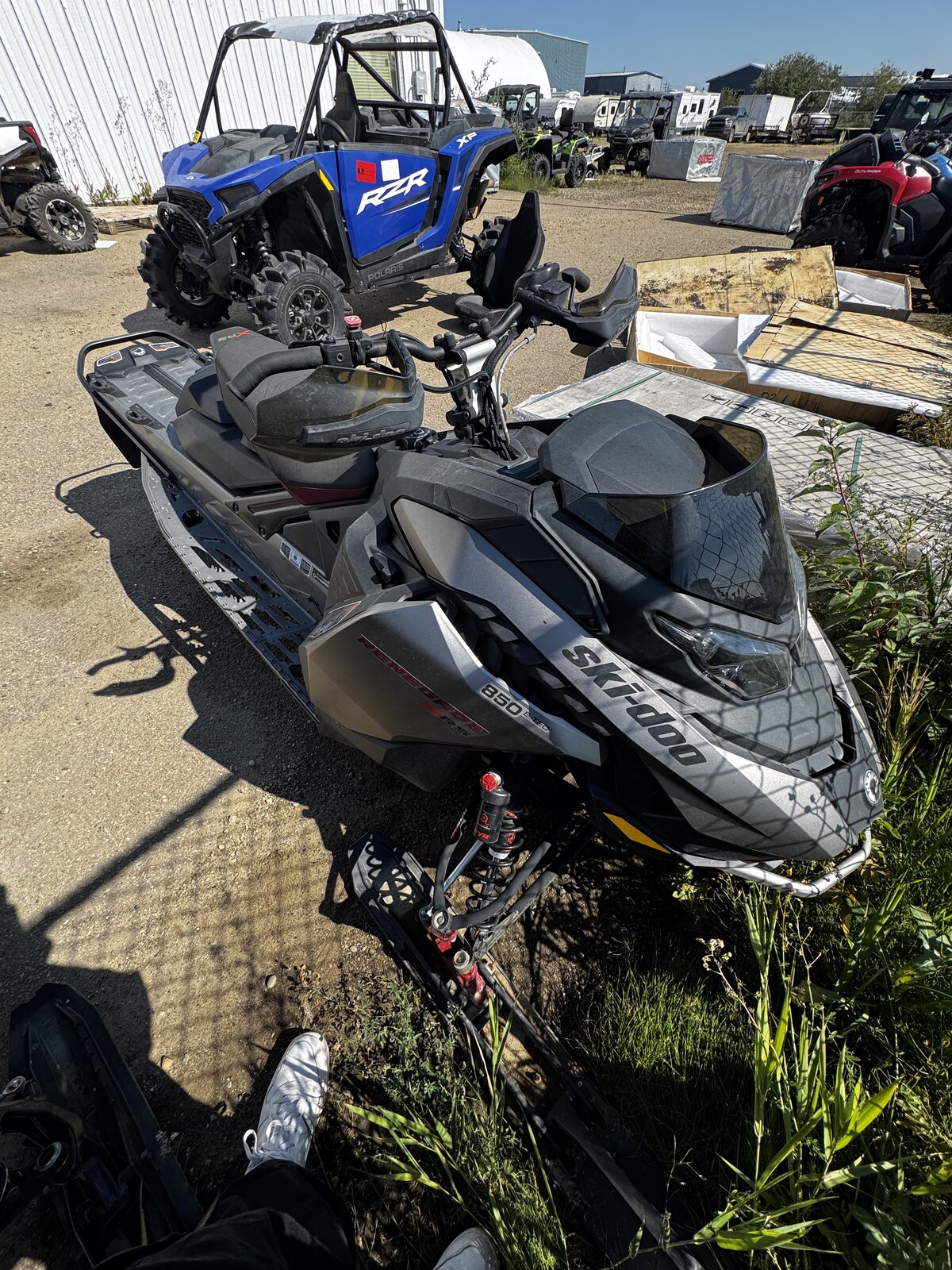
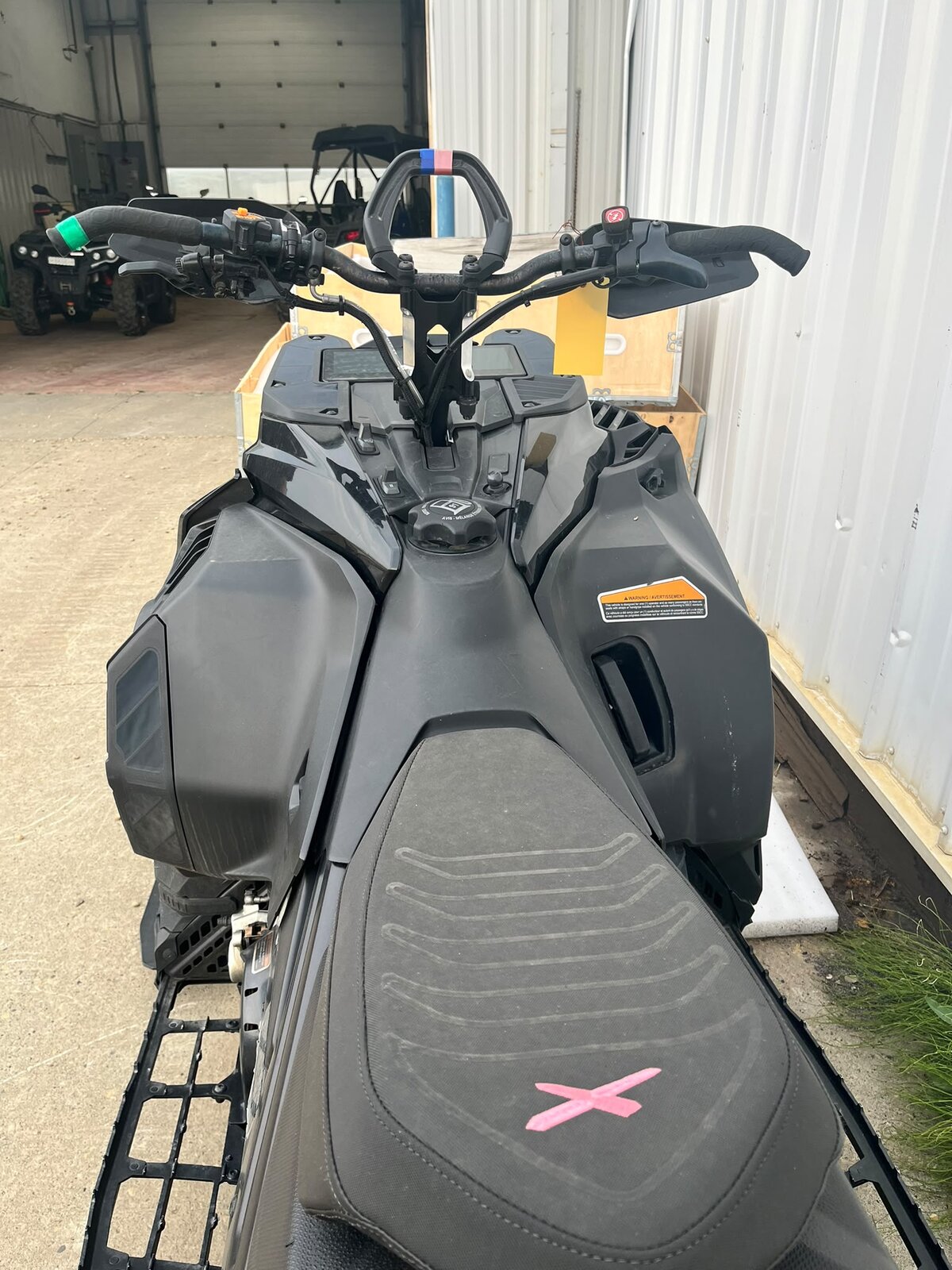
Snowmobiles on the lot right now
Live RMC inventory pulled from the dealership feed. Snow stock changes with the season, so confirm the current unit here before you head out.
Take the next step
Put this guide to work by comparing inventory or reviewing your financing options.
Straight answers
Frequently asked questions
How does financing a snowmobile work in Canada?
Snowmobile financing is arranged as a loan backed by the machine through prime banks or specialized powersports lenders. The lender reviews your identification, credit background, proof of income, and the specific sled details to determine approval terms. If approved, the lender funds the purchase directly, and you repay the loan over an agreed term with regular monthly or bi-weekly payments.
What do I need before starting the process?
You need valid government-issued photo identification, recent proof of income such as pay stubs or bank statements, a void cheque or pre-authorized debit form, and the listing details for the snowmobile you want to finance. Having your monthly budget and housing costs ready also helps speed up the file review.
Can I finance a used snowmobile?
Yes, used snowmobiles are financed every day through dealership lender networks. Lenders look at the model year, engine hours, mechanical condition, and market value of the used machine when structuring loan terms.
How long does the snowmobile financing process take?
Turnaround timing depends on the specific file and how complete the submitted paperwork is. When all income documents, identification, and machine details are organized in advance, lenders can review the application without unnecessary delays.
Useful links
Plan your next step
Keep reading
Related resources
financing
ATV Financing in Alberta: How the Payment Path Works
How ATV financing really works at a dealership desk in Alberta, what documents to bring, how used units affect approval, and honest credit talk.
financing
ATV Financing Alberta: Edmonton and Leduc Desk Path
Looking at ATV financing in Alberta? See how an Edmonton or Leduc desk reviews a file, what to bring, used-unit notes, and how to move to live inventory.
financing
ATV Loan Canada: What Buyers Should Sort Before They Buy
Looking at an ATV loan in Canada? See how the desk reads the file, what docs matter, and how Ride Motor Company starts a real payment check.
financing
Canadian Powersports Financing: How Buyers Get Funded
See how ATV, side-by-side, and snowmobile financing works at a Canadian dealership desk, what to bring, and how one process covers every unit type.