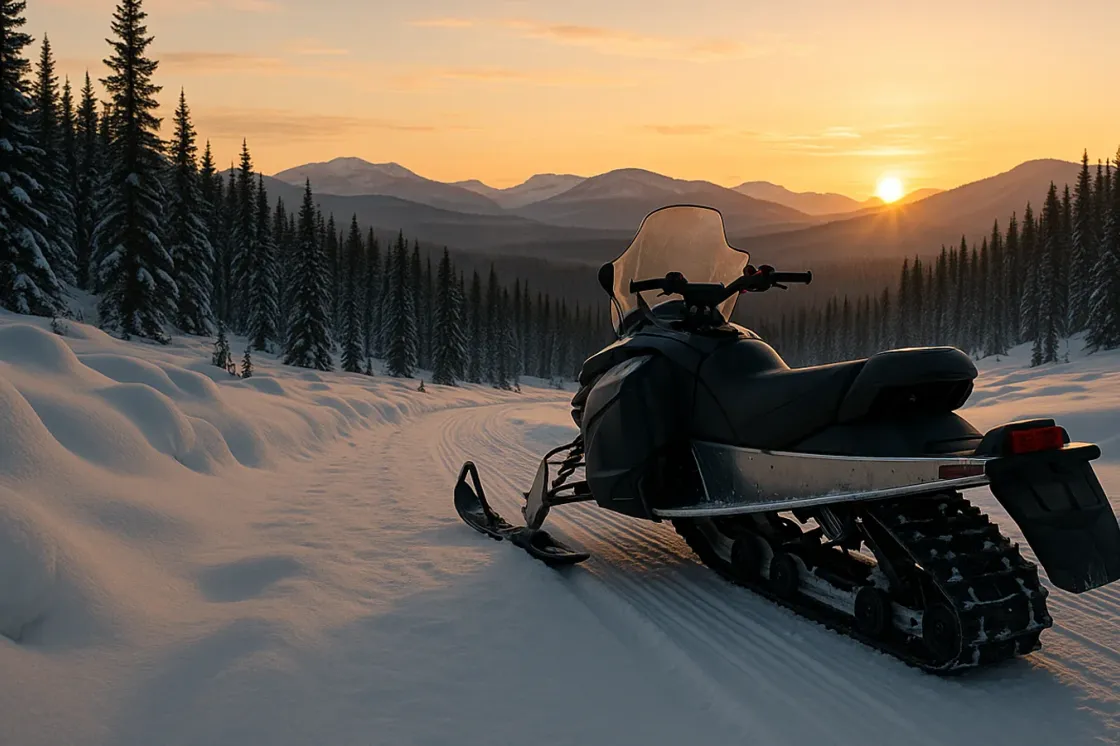
When you search for snowmobile financing, you are not chasing a rate table. You want to know how the payment path actually runs before the snow lands: what happens at the desk, what to bring, how a used sled changes the talk, and how season timing works for or against you.
This guide is the process, not a promise. Ride Motor Company serves shoppers across Canada, with lot and service reality centered in Edmonton and Leduc, Alberta, so the winter details here are the real thing, not a brochure.
Where to start:
- Sort the payment band if money is the gate
- Build a shortlist from live snowmobile inventory
- Confirm the location that holds the sled before you drive in
What snowmobile financing actually means at the desk
Financing spreads the price of the sled into a monthly payment over a set term at a rate the lender sets. It is not a fixed number printed on a wall. The desk gathers your details, sends the file to lenders, and comes back with what is actually on the table for you and that specific machine. Any rate you see is OAC, short for on approved credit, which means the number is a starting point, not a promise.
A specialist powersports path is not the same as a plain bank personal loan. The desk can send the file to lenders that consider seasonal recreational machines, rather than treating the request like a generic personal loan. The sled itself is part of the file too, because the lender is lending against a real unit, not just your signature.
Season timing: when to start the payment talk
This is the part that makes a snowmobile file different from a summer quad. Sleds are seasonal, so timing moves both stock and your leverage.
Early season, roughly late summer into fall, is the calm window. Selection is widest, the desk is not slammed, and you have time to prep a clean file before the first big snowfall. Once winter lands and everyone wants to ride, good units move fast and a rushed file is a stalled file.
If you are buying used mid-winter, the machine has usually already had a season or two of riding, so ask for the engine hours and how it wintered. A sled that sat outside all summer under a tarp is a different buy than one that was stored dry. Sorting the payment path before you go looking means you can move the day the right unit shows up instead of scrambling while it sells.
Documents and numbers to bring
A financing conversation is fast when the file is ready. The checklist below is the version that saves a second trip. Bring these and the desk can move from talk to a real answer without chasing paper. If the lender needs anything extra, they will ask for stips, short for stipulations, which is just added proof like a recent pay stub or a second piece of identification.
How lenders read a snowmobile file
Lenders review a file, not a feeling. On a sled, the read leans on age, engine hours, and how the machine was kept, because a seasonal unit lives a harder life than its calendar age suggests. A low-hour trail sled and a high-hour mountain machine of the same year are two different conversations.
Down payment and trade matter here too. On a used sled, lenders watch the loan-to-value, meaning what they will lend against what the machine is actually worth. A down payment covers the gap between the sale price and the book value, the reference value lenders use for that unit. Putting money down or trading a clean unit shrinks that gap and usually calms the file.
Used snowmobile financing vs new
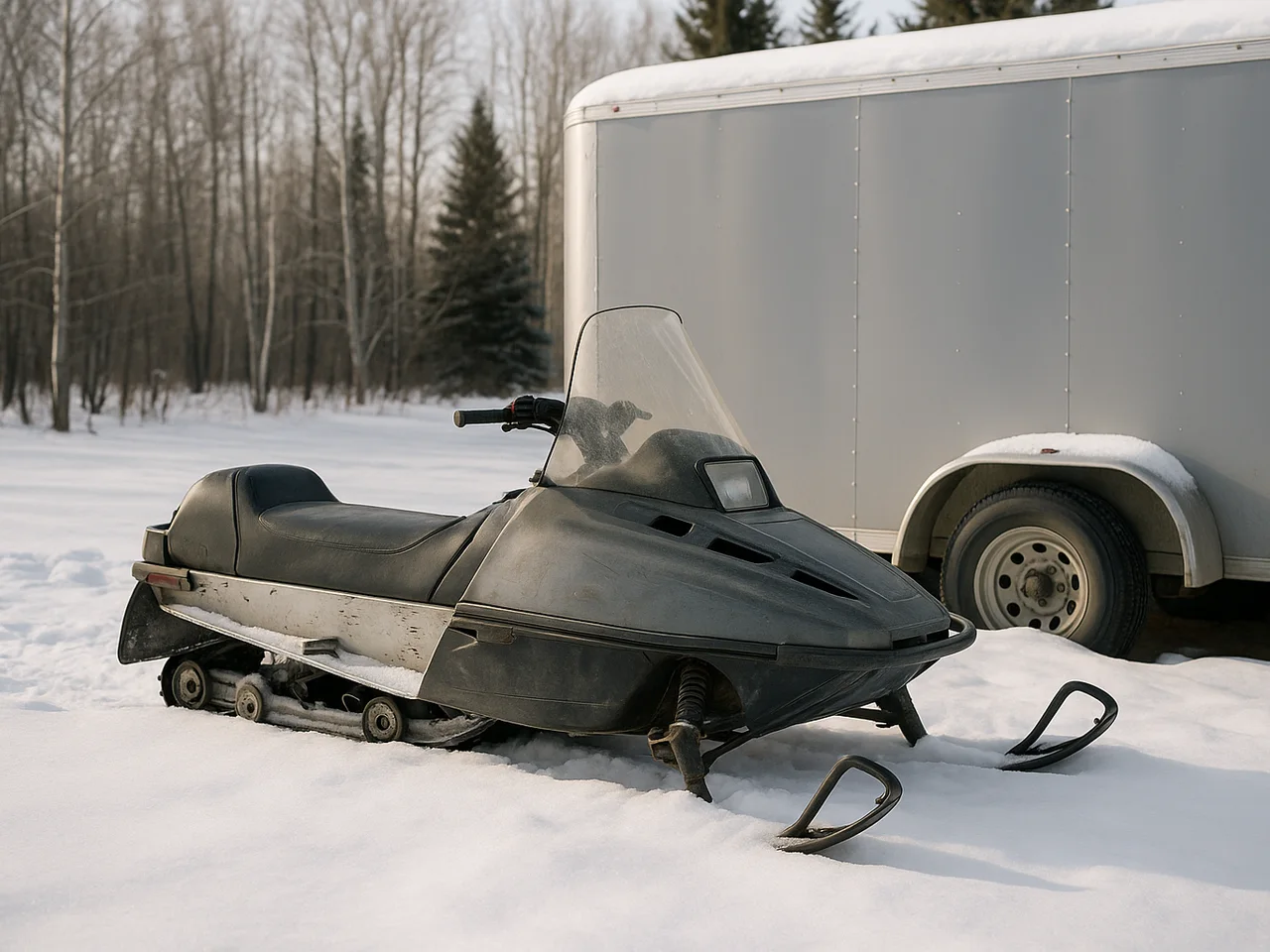
Not every buyer wants the same sled, and the machine you choose shapes the talk.
A used snowmobile can be the smart buy, but expect more attention on hours, condition, and storage history. Ask what the machine did: trail miles, lake running, or hard mountain use all wear differently. If used is the plan, know the hours and the service story before you talk numbers.
A current or late-model sled is often a simpler file to place, with a steadier payment path and warranty comfort. The sticker is higher, but the total picture can be calmer over the life of the machine. Neither lane is wrong. Knowing which one you are in before the desk talk is what keeps the buy smooth.
Payment band first, then a live shortlist
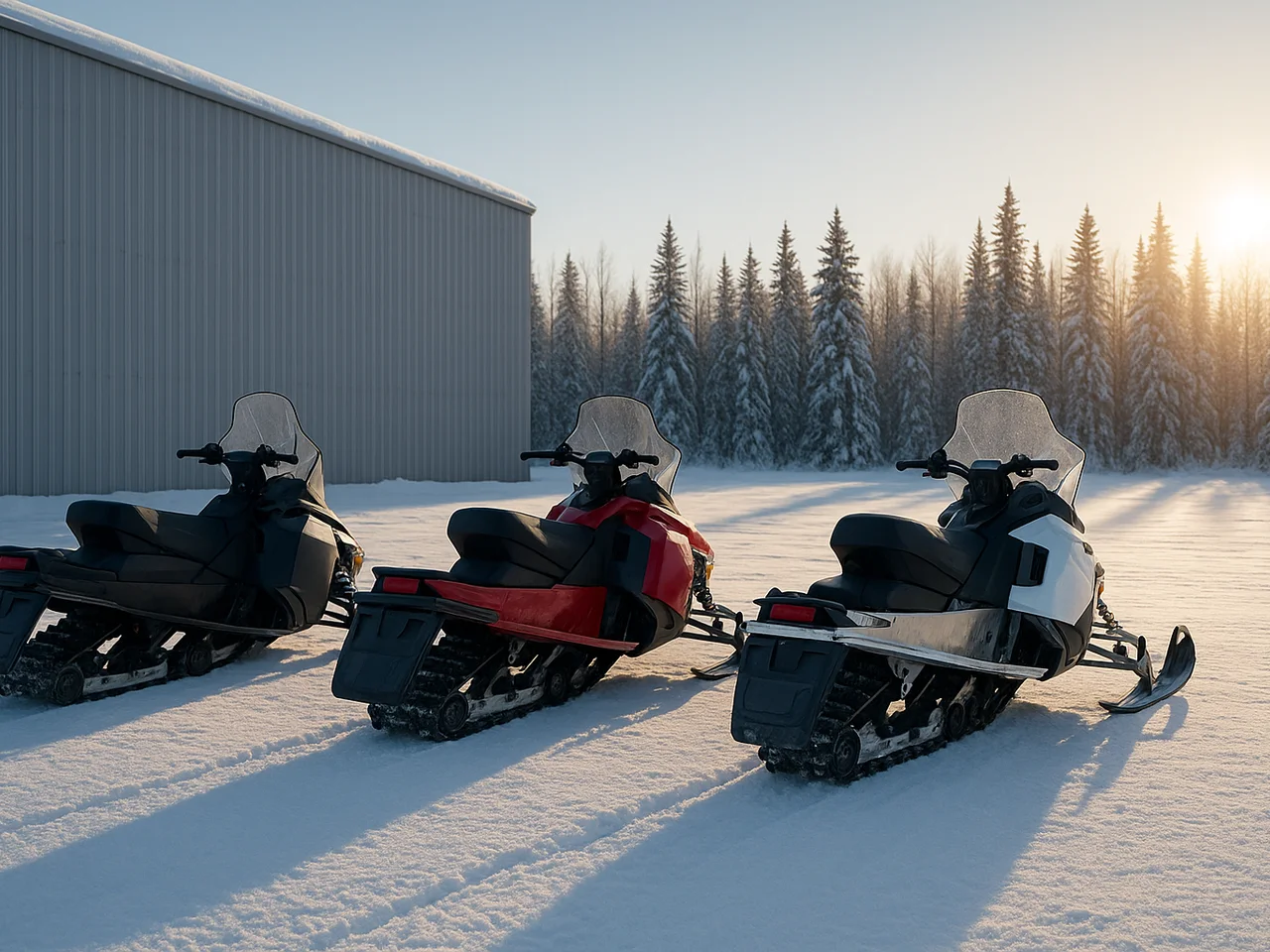
The calmest snowmobile buy runs in this order: figure out the payment band you are comfortable in, then shop live inventory inside it. Start the money conversation on the financing page, get a real sense of your band, then build a shortlist you can actually carry.
Do not invent a number in your head and hope. A quick financing check tells you the real range, and from there a shortlist is a short list instead of a wish list. Snow stock swings with the season, so confirm what is on the lot rather than trusting any count in an article.
Credit and snowmobile financing: straight talk
Rough credit is common and workable, and it does not have to end the conversation. Lenders pull your bureau, which is your credit report, and read your beacon score, the Equifax number that carries the most weight in Alberta. The honest version is simple: bring the full scenario, be ready for specialist-lender options, and expect the desk to work the file rather than wave a guarantee.
Any page that claims certain approval before a lender sees your file is selling a feeling, not a fact. If you are also shopping summer units, the Canadian powersports financing overview walks the same desk path across ATV, side-by-side, and snow in one place.
Common snowmobile financing mistakes to avoid
The traps are predictable, and every one is avoidable with a little prep:
- waiting until the first big snow to start the file, when good units move fastest
- falling for a sled before checking whether the payment even works
- skipping the engine hours and storage history on a used machine
- showing up without income proof or banking details
- treating a guaranteed-approval promise as anything but a red flag
Arrive with a payment band, a prepped file, and the financing conversation already started. That is the difference between riding this season and watching the snow from the driveway.
Next step: shortlist a sled and start the conversation
If your criteria are clear, skip another round of tab-hopping. Start a financing conversation if payment is the gate, build a shortlist from live snowmobile inventory, and confirm Edmonton or Leduc before you drive in. Handle the money path early and the rest of the winter buy stays simple.
| Item | Why it matters | What to bring |
|---|---|---|
| Government photo identification | Confirms who is signing the paper | A valid driver licence or passport, not expired |
| Proof of income | Shows you can carry the monthly payment | Recent pay stubs, or statements if you are self-employed |
| Banking details | Sets up the payment and confirms the account | A void cheque or a bank letter |
| Housing and debt snapshot | Gives the lender your full monthly picture | Rent or mortgage, plus loans and card balances |
| Target sled notes | Ties the file to a real machine and price | Stock number, year, and engine hours if known |
| Storage plan | Shows the sled will be kept right off-season | Where it lives when it is off the trailer |
| Factor | Snowmobile | Summer ATV or side-by-side |
|---|---|---|
| Season pressure | Demand and stock swing hard from fall into winter | Steadier supply across the warm months |
| Usage read | Engine hours and trail wear tell the story | Age, hours, and general condition |
| Timing tip | Sort the file before the first big snow | Sort the file before the spring riding rush |
| Off-season factor | Storage and how it wintered matter to resale | Storage matters less season to season |
Live inventory
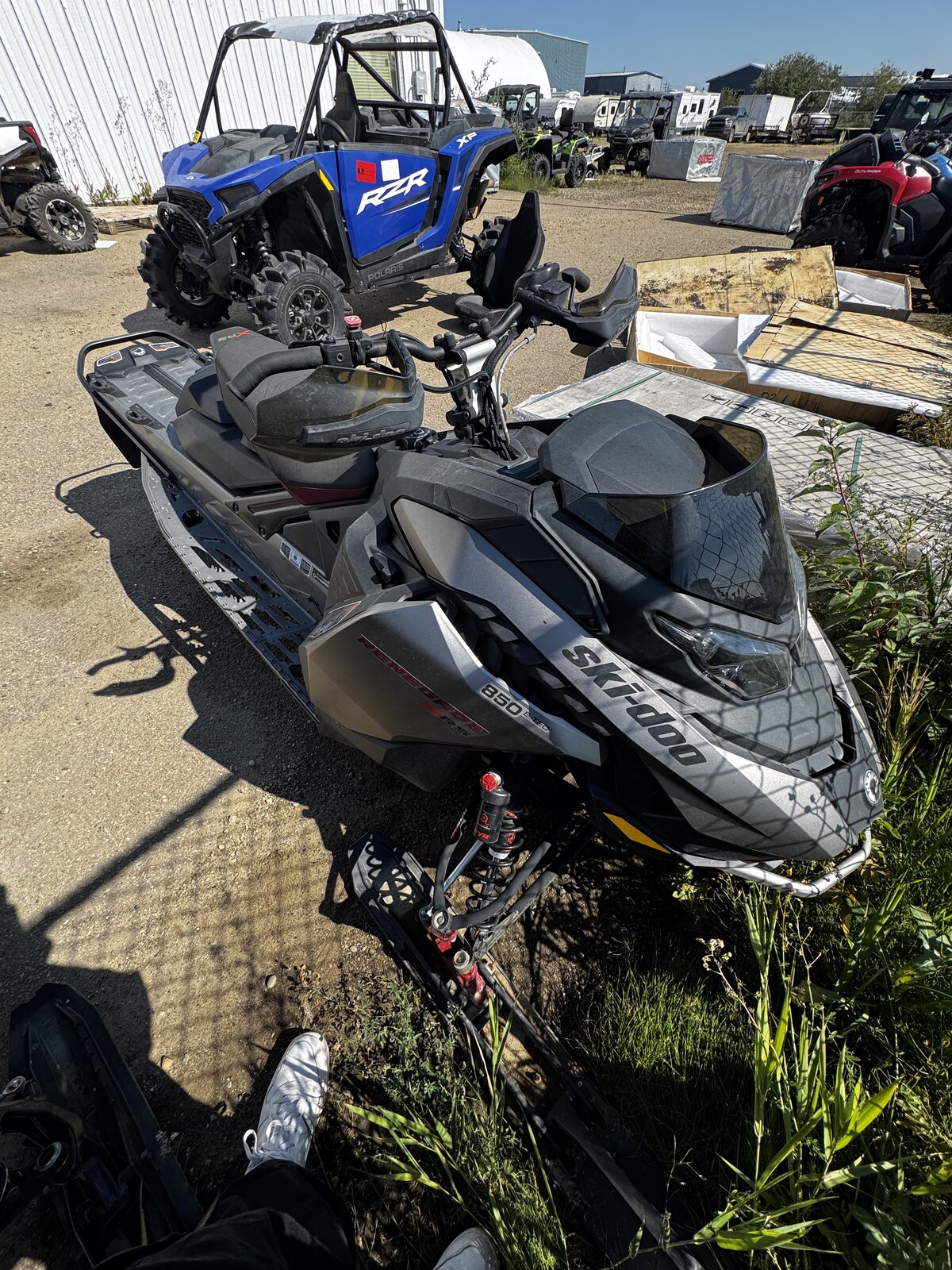
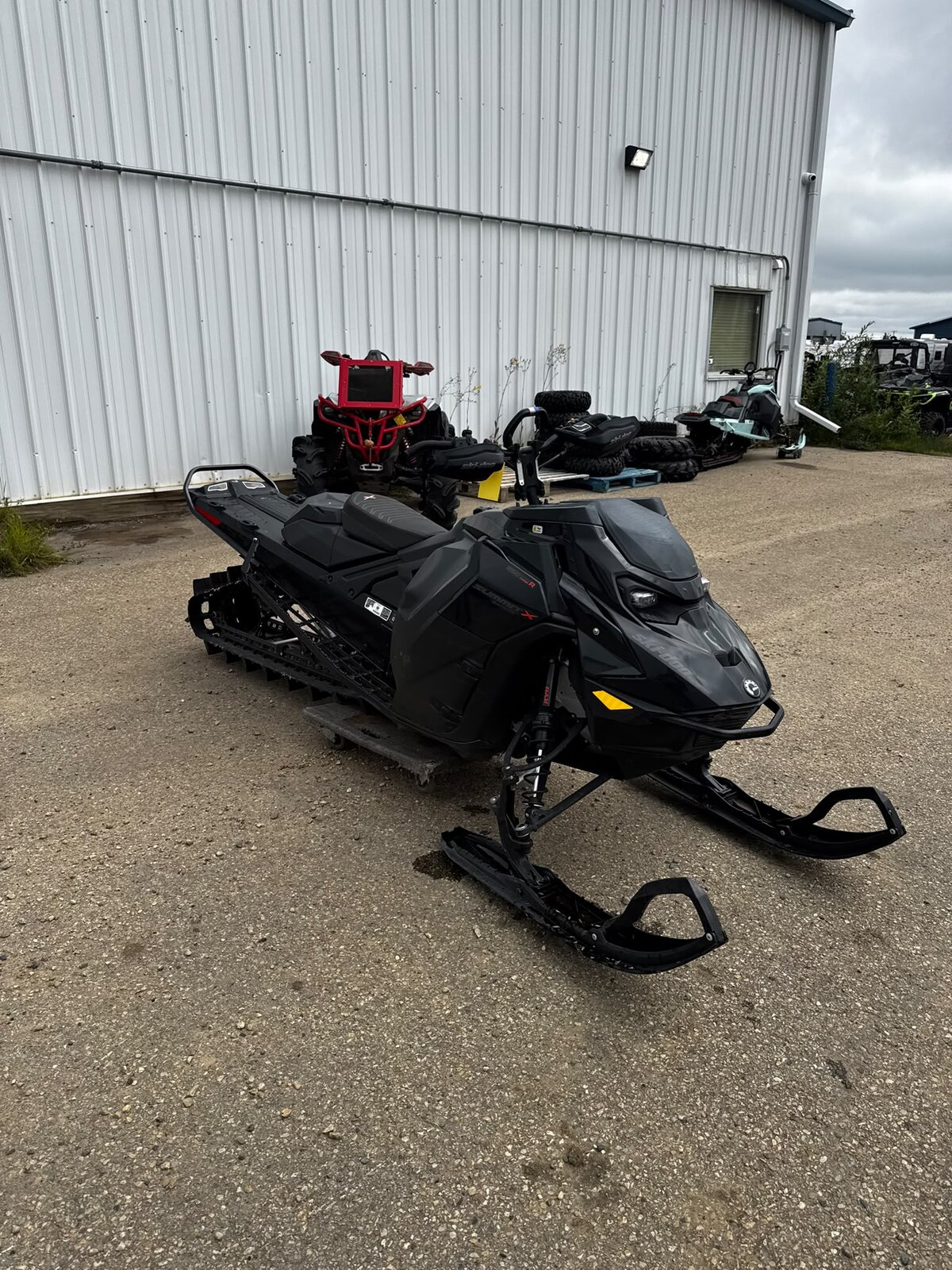
Snowmobiles on the lot right now
Live RMC inventory pulled from the dealership feed. Snow stock swings hard with the season, so confirm the current list here rather than trusting any count in an article.
Take the next step
Put this guide to work by comparing inventory or reviewing your financing options.
Straight answers
Frequently asked questions
Can I finance a used snowmobile the same way as a new one?
You can finance either, but a used sled is a different conversation. Lenders look harder at the year, the engine hours, and the condition, so an older high-hour machine gets more scrutiny than a fresh one. That does not rule out used, it just shapes the term and the down payment. Know which lane you are in before you sit at the desk so nothing catches you off guard.
What do I need for snowmobile financing in Canada?
Lenders typically want government identification, proof of income such as recent pay stubs, banking details, and the details of the specific sled you want. Proof of address is common too. Bringing that file up front turns the payment talk into a quick confirmation instead of a stall while a good unit sells to someone else.
Does bad credit mean an automatic no on a sled loan?
Not on its own. Rough credit is common and often workable through specialist lenders who read the whole picture, not just a number. No honest desk promises approval before a lender sees your file, so treat any guaranteed-approval claim as a warning sign. Bring your full scenario and expect the desk to work the file.
Should I get a payment check before I pick the snowmobile?
Yes, and it is the calmest way to buy. Sorting the payment path first tells you what band you are shopping in, so you never fall for a sled you cannot carry. Build a shortlist from live inventory, start the financing conversation, then confirm the location that holds the unit. Handling money first keeps the whole buy clear.
Is snowmobile financing different from ATV financing?
The desk process is the same, but the file reads differently. A sled is a seasonal machine, so timing matters more, and lenders weigh engine hours and condition the way they weigh age and hours on a quad. If you are also shopping summer units, the ATV financing guide covers that side, and the Canadian powersports financing overview ties both together.
Useful links
Plan your next step
Keep reading
Related resources
financing
ATV Financing in Alberta: How the Payment Path Works
How ATV financing really works at a dealership desk in Alberta, what documents to bring, how used units affect approval, and honest credit talk.
financing
ATV Financing Alberta: Edmonton and Leduc Desk Path
Looking at ATV financing in Alberta? See how an Edmonton or Leduc desk reviews a file, what to bring, used-unit notes, and how to move to live inventory.
financing
ATV Financing With Bad Credit in Canada
Learn how bad credit ATV financing works in Canada. Discover lender requirements, down payment ranges, and how to apply for an all-terrain vehicle loan.
financing
ATV Loan Canada: What Buyers Should Sort Before They Buy
Looking at an ATV loan in Canada? See how the desk reads the file, what docs matter, and how Ride Motor Company starts a real payment check.