
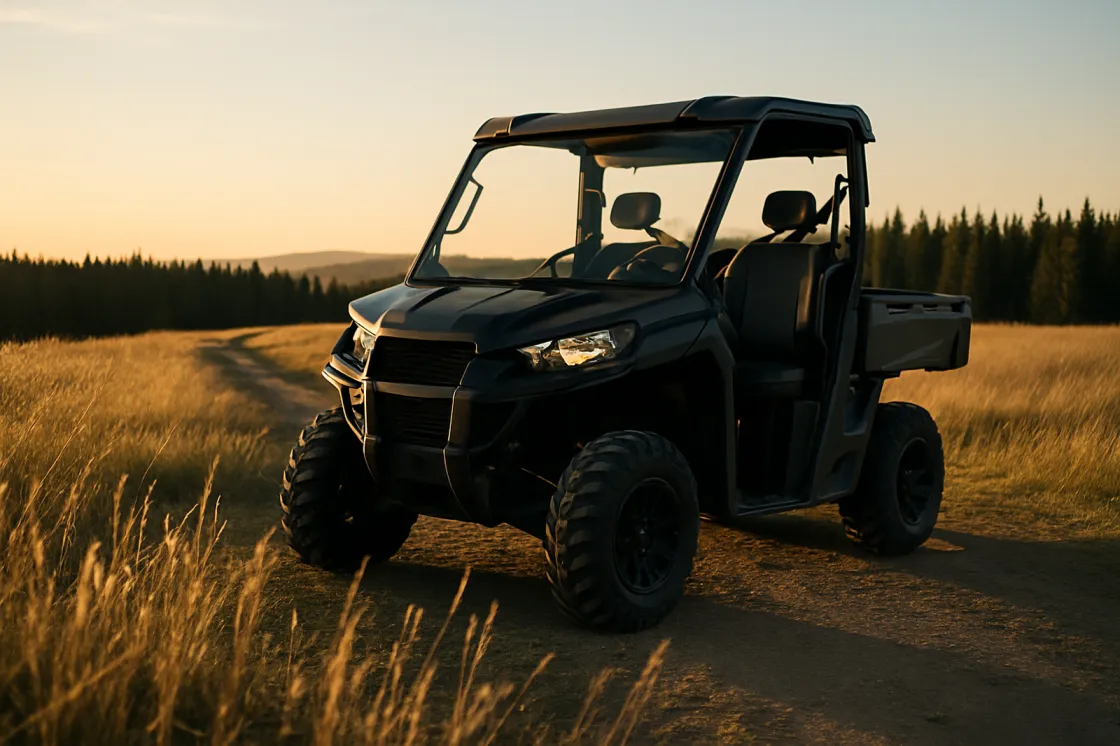
What to sort before you chase a machine
Financing a side by side in Canada runs through a specialised desk, not a generic personal-loan page. The lender reads your file against the exact unit you want, and that read comes back as a payment band that fits the machine, or an honest talk about what needs to change.
Ride Motor Company is a real multi-line dealer serving Edmonton and Leduc, Alberta, with customers across Canada. The desk process below is the process they run behind the counter every day.
The buyer who walks in calm has sorted a few things in advance: the units they want, their income and housing receipts, and a budget number they can actually carry. Everything below is the machine for that. Nowhere in it is a promise of approval, because a lender has to see the file and the unit before anyone gives a number.
Where to start:
- Build a shortlist from live side by side and UTV inventory
- Sort the payment path if money is the gate
- Confirm the location that holds the unit before you drive
What side by side financing looks like at a dealership desk
Financing spreads the unit price into a monthly payment over a set term at a rate the lender sets. The desk gathers your details, sends the file out to a panel of specialist lenders, and comes back with the real numbers for you and the specific machine. It is not a fixed rate printed on a wall.
Specialty powersports path vs a plain bank personal loan
A bank personal loan is unsecured and it is about you alone. A side by side desk file is about the pair: you and the unit. Lenders who specialise in powersports are used to side by sides, their hours, and their use. When the unit matters, the powersports path usually fits better than forcing a square machine into a generic bank product. A short comparison is in the third table above.
Why the machine itself is part of the file
The unit is the second half of the loan. Age, hours, and how you will use it all land in the file. That is why two buyers with the same credit picture can walk out with different payments: the machine changed the read, not the person.
UTV and side by side file notes that change the read
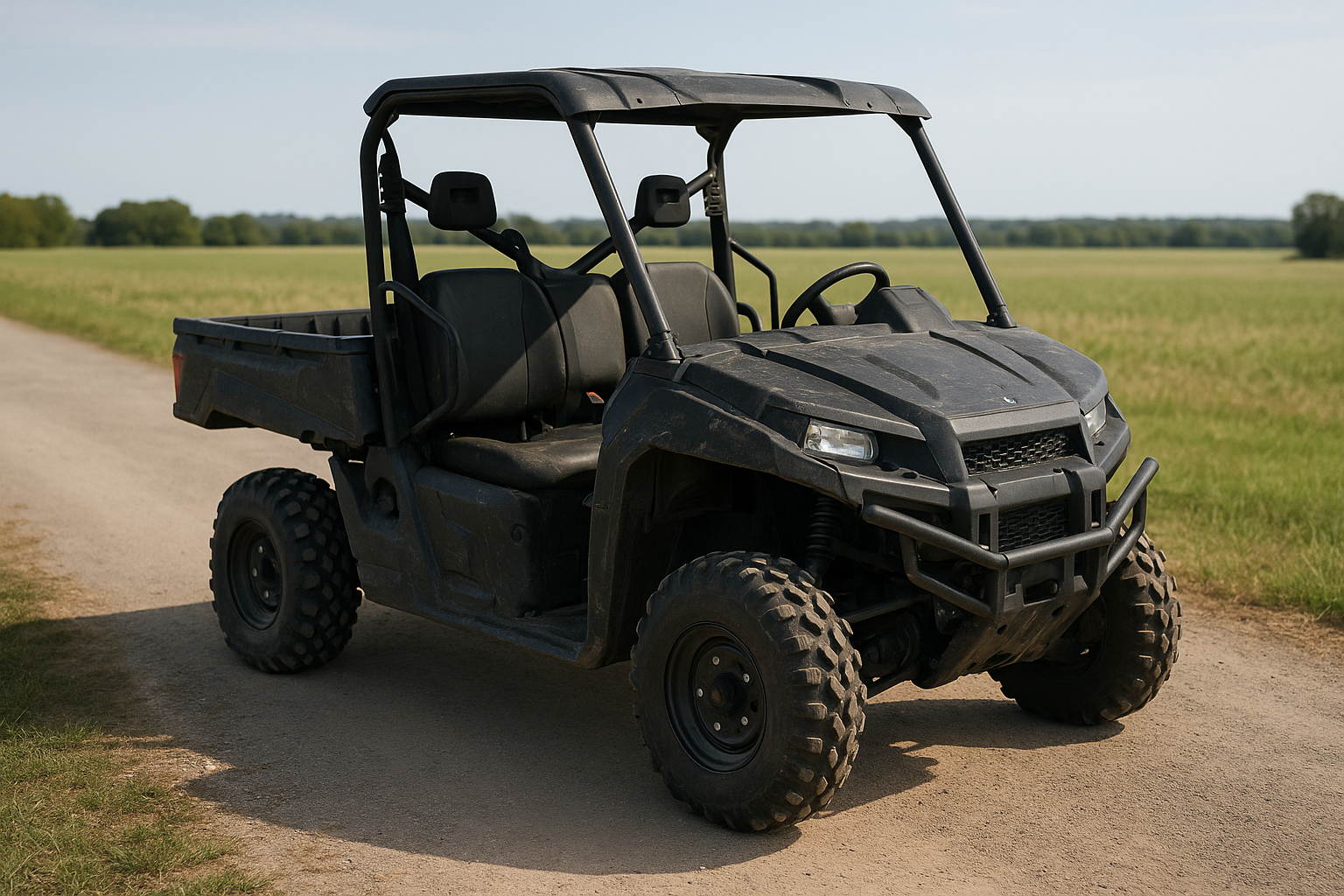
Not every side by side is the same file. Lenders sort a working rig from a trail machine, and they sort a new unit from a high-hours used one. Know your lane before you sit down.
- Work utility models read on what they can pull, the bed, and the hours without complaint
- Sport and trail machines read on careful use and lower hours
- Modified or heavily used units carry more scrutiny, plain and simple
Work utility vs sport trail machines
A working rig is read on utility: the dipping bed, the field and ranch mileage, and overall condition. A trail machine is read on hours and care. Say which one you are at the desk and the file sorts cleanly.
New vs used SxS, what the desk actually checks
On a new or late-model unit, clean spec and warranty do the talking. On a used one, the desk reads the machine against its book value, the reference value lenders use for that unit, and weighs loan-to-value, meaning how much they will lend against what it is worth. Keep that comparison table open when you build your shortlist.
What to bring so the file moves
The conversation is fast when the file is already complete. The checklist at the top of this page is the point. Bring it and the desk moves from talk to a real answer without chasing paper.
The core file: ID, income, housing basics
Government photo ID, proof of income, and a housing receipt are the floor of any file. If you are self-employed, bring months of statements, not one. Sometimes the lender asks for stips, short for stipulations, which is just extra proof like a recent pay stub confirming the file. That core turns the desk talk into a confirmation.
Trade-in, down payment, trailer and add-on reality
Realistic talk beats a wish list. A trade-in holds value, a down payment brings the balance, and trailer or add-on work can be part of the deal when the total file supports it. No rate fantasy here. Each piece shifts the numbers, and the desk shows you the real read.
How payment bands get shaped
The payment band is the monthly range that fits your budget and the unit. It comes from term length, unit age, and hours, and it is always subject to a real read. This is about the shape a payment can take, never a locked number.
Any payment figure you see anywhere is OAC, short for on approved credit, which means it is a starting point, not a promise.
Term length, unit age, and hours
A longer term spreads the payment thinner but raises the total paid, and that spread is the amortization, the number of months the payment is stretched over. Unit age and hours push on it too: a fresh unit often carries more term room; a high-hours used one runs shorter. Actual figures depend on approval, term, and the unit.
What subject to approval means here
Subject to approval, or OAC, means a lender sets terms only after reading your real file and the real machine. Nobody reads a rate off a wall and signs. Prep the whole picture so a file reads the way you want it to.
Bad credit and thin-file reality for SxS buyers
Rough or thin credit is common, and it does not close the door. Lenders read your bureau, which is your credit file, and your beacon score, the Equifax number that carries the most weight in Alberta. Specialist lenders weigh the whole picture, the income, the down payment, and the unit itself.
- A rough or thin credit file is common and workable
- A down payment and full docs help a thin file
- Any page that promises guaranteed approval before a lender sees the file is selling a feeling
What helps a thin file without a promise
A clean, complete file, a realistic down payment, and a unit that fits the way you actually use it move the conversation further than any single number. Expect the desk to work the file and be honest. No guarantee, no fantasy.
From payment band to live side by side inventory at Ride Motor Company

Once you hold a payment band that fits, the next step is matching it to a real unit. Ride Motor Company carries side-by-side and UTV inventory with desk process in Edmonton and Leduc. Sort the number first, then drive with a shortlist.
Start the real payment read with the financing check, and pair this page with the full side by side dealer guide for the lot process and walk-around. The live units sit on the inventory feed, so shortlist from there, not from a count that changes daily.
FAQ
Can I get financing for a side by side in Canada?
Yes, through a specialty desk path when the unit and your file fit the lender's book. Nothing is guaranteed before a real read, so treat any page that promises approval before anyone sees your file as a warning sign.
Is UTV financing different from ATV financing?
Same desk family, a different read. Side by sides carry more hours and more size, and split work versus trail use more than an ATV, so lenders read them differently. If you are after the lighter lane, the ATV financing path covers it.
Do you finance used side by sides?
Yes, when the age, hours, and condition fit the lender's book. The new versus used tables above show the file differences, so know which lane you are in before you sit down.
What documents do I need?
Identification, income proof, and the unit you want are the core. The full list lives in the prep checklist at the top of this page, so bring that file and the desk moves fast.
What if my credit is rough?
There are real paths through specialist lenders who read the whole picture, not one number. Bring a clean file, a realistic down payment, and a unit that fits your use. No honest desk promises approval before a review.
Next step: shortlist a side by side and start the conversation
If your criteria are clear, skip another round of tab-hopping. Build a shortlist from live UTV and side by side inventory, start a financing check if payment is the gate, and confirm Leduc or Edmonton before you drive. The desk read pairs a real file with a real unit, and that is the whole job.
| Document or detail | Why the desk asks | Buyer tip |
|---|---|---|
| Government photo ID | Confirms who is signing the paper | Driver licence or passport, not expired |
| Proof of income | Shows you can carry the monthly payment | Recent pay stubs, or statements if self-employed |
| Housing details | Confirms your address for the file | Utility bill or bank statement with your name |
| Trade-in details | Gets your current machine its fair value, if any | Year, model, and hours on the old unit |
| Work vs trail use | Tells the lender which file lane you sit in | Be clear about acreage, ranch, or recreation use |
| Budget band | Sets the payment shape before you price-shop | A real number you can carry, not a stretch figure |
| Factor | Used unit | New or late-model unit |
|---|---|---|
| Unit read | Age, hours, and condition carry more weight | Cleaner file and a steadier resale story |
| Term length | Can run shorter depending on the unit | Usually more term room to work with |
| Value check | Read against book value and loan-to-value | Sticker sits closer to the room price |
| Best when | You want the lower entry and accept more diligence | You want predictable service and fewer look-backs |
| Factor | Plain bank personal loan | Powersports desk path |
|---|---|---|
| Frame | An unsecured loan in your name alone | A unit-backed file placed across specialist lenders |
| Unit fit | The lender may not size a side by side well | Read against the exact machine, hours, and use |
| Read speed | One bank, one set of rules | The desk works several lenders on the same file |
| Buyer tip | Fine when your own bank is generous | Better when the unit is the point, not a generic number |
Live inventory
Side by sides and UTVs on the lot right now
Live RMC inventory pulled from the dealership feed. Availability changes, so confirm the current list here rather than trusting any count in an article.


Take the next step
Put this guide to work by comparing inventory or reviewing your financing options.
Straight answers
Frequently asked questions
Can I get financing for a side by side in Canada?
Yes, through a specialty desk path when the unit and your file fit the lender's book. Nothing is guaranteed before a real read, so treat any page that promises approval before anyone sees your file as a warning sign.
Is UTV financing different from ATV financing?
Same desk family, different unit read. A side by side is bigger, carries different hours and size, and splits work versus trail use more sharply, so lenders weigh size, hours, and use type. If you want the lighter ATV lane, the ATV financing path covers it.
Do you finance used side by sides?
Yes, when the age, hours, and condition fit the lender's book. Used machines get read against what they are actually worth and how much the lender will lend on that, so the lane matters before you sit down.
What documents do I need?
Identification, income proof, and the unit you want are the core. The full list is in the prep checklist above, so bring the file and the conversation moves fast.
What if my credit is rough?
There are real paths through specialist lenders who read the whole picture, not one number. Bring a clean and honest file, a realistic down payment, and a unit that fits your use. No honest desk promises approval before a review.
Useful links
Plan your next step
Keep reading
Related resources
financing
ATV Financing in Alberta: How the Payment Path Works
How ATV financing really works at a dealership desk in Alberta, what documents to bring, how used units affect approval, and honest credit talk.
financing
ATV Financing Alberta: Edmonton and Leduc Desk Path
Looking at ATV financing in Alberta? See how an Edmonton or Leduc desk reviews a file, what to bring, used-unit notes, and how to move to live inventory.
financing
ATV Financing With Bad Credit in Canada
Learn how bad credit ATV financing works in Canada. Discover lender requirements, down payment ranges, and how to apply for an all-terrain vehicle loan.
financing
ATV Loan Canada: What Buyers Should Sort Before They Buy
Looking at an ATV loan in Canada? See how the desk reads the file, what docs matter, and how Ride Motor Company starts a real payment check.